

The fastest way to understand a high heating bill is to separate three things: how much energy your home used, what the utility charged per unit and how cold the weather was. Then tackle the low-cost fixes that fit your home. Blocking a draft and adjusting an appropriate thermostat schedule may help, but neither guarantees a particular percentage of savings.
Table of contents
Some heating advice online is unsafe. Never use an oven or outdoor grill to heat rooms, block combustion vents or shut off heat so aggressively that pipes freeze. People who are elderly, very young or medically vulnerable may need warmer indoor conditions. The aim is a more comfortable home with fewer avoidable costs, not a competition to tolerate the cold.
Check your heating bill before buying anything
Look at the units used, billing days, current rate and fixed charges. If usage is similar but the total is higher, the rate may have changed. If the rate is similar but usage jumped, colder weather, a longer billing cycle or an equipment issue may be involved. This distinction helps you avoid spending money on products that will not address the problem.
25 cheap ways to lower your heating bill
Before you spend on any tip below: Check whether this change fits your heating system, lease and household. A small comfort improvement may be worthwhile, but calculate costs against actual bills rather than assuming every tip produces a large reduction. Keep clearances, airflow and manufacturer safety instructions in place.
1. Compare usage, not just the dollar total
Look at the number of therms, kilowatt-hours or other fuel units used. A larger bill may reflect colder weather, higher rates or both. Compare similar billing periods and check the number of days covered before concluding your furnace is suddenly inefficient.
2. Read your utility’s rate details
Find the energy charge, fixed customer charge and any delivery fees. Reducing usage may lower variable charges but not the fixed portion. If the bill has an estimated meter reading, ask how actual usage is reconciled.
3. Check the thermostat schedule
Choose comfortable settings that match when people are home and awake. Some households can lower the temperature during sleep or absence, but health, infants and building conditions matter. Avoid settings that risk frozen pipes or discomfort.
4. Use the thermostat’s setback feature carefully
A programmable thermostat can reduce unnecessary heating when schedules are predictable. Heat pumps may need different guidance than conventional furnaces, so follow the equipment manufacturer’s instructions before using large setbacks.
5. Seal obvious door drafts
Check whether exterior doors close firmly and whether weatherstripping is damaged. Replacing worn strips may be inexpensive, but measure before buying. Do not seal a door so tightly that it becomes difficult to open in an emergency.
6. Check window edges for leaks
Feel for drafts on a cold day without touching broken glass or electrical fixtures. Removable weatherstripping or suitable window film may help some homes. Renters should check lease rules before applying adhesive products.
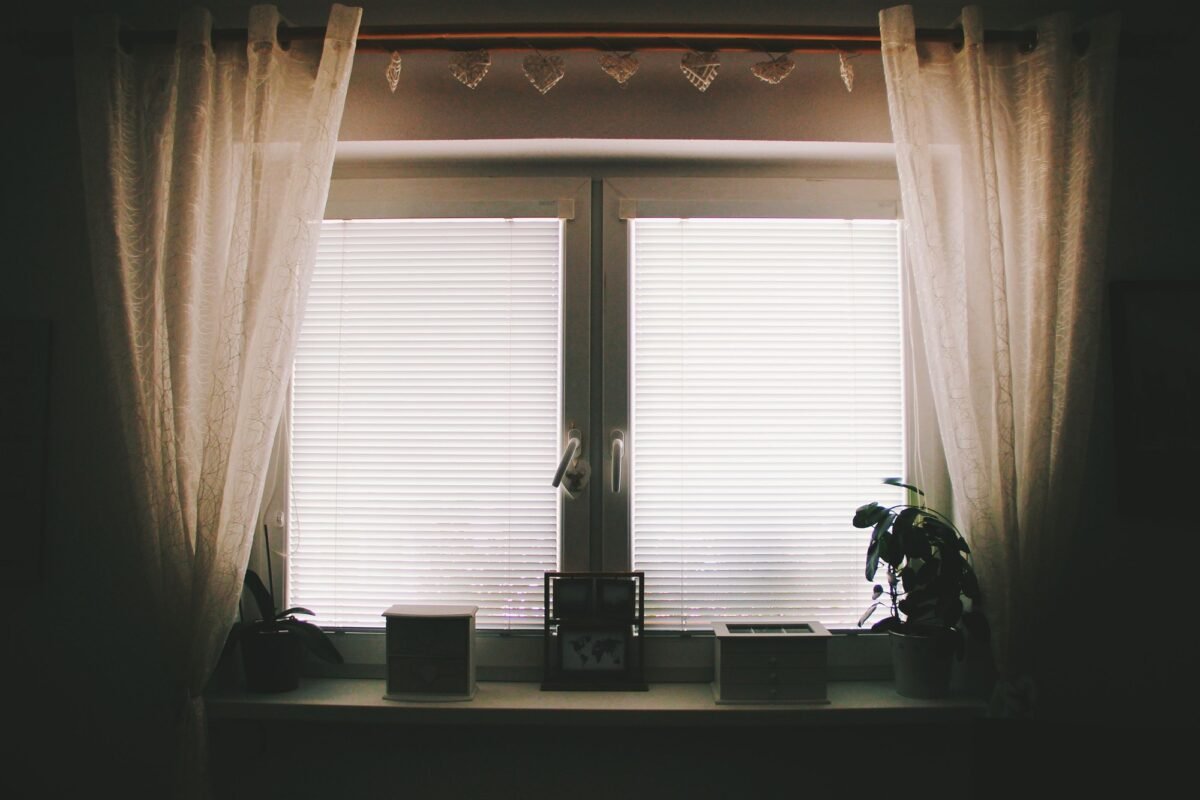
7. Close curtains after sunset
Insulated or ordinary curtains can reduce discomfort near cold windows. Open them during sunny hours when useful. Keep fabric away from heaters, baseboards and other heat sources, and do not block required ventilation.
8. Use rugs on cold floors
A rug you already own can make a room feel more comfortable underfoot, particularly over tile. Use a nonslip backing and keep walkways clear. Buying an expensive rug solely to save energy may not pay back.
9. Move furniture away from vents
Check that sofas, beds and boxes are not blocking supply or return registers. Blocked airflow can affect comfort and system performance. Never cover vents with rugs or furniture to force heat into another room without professional guidance.
10. Check the furnace filter
Follow your system’s manual for the correct filter type and replacement schedule. A clogged filter can restrict airflow. Shut equipment down as instructed before changing it, and do not use a filter that is too restrictive for the system.
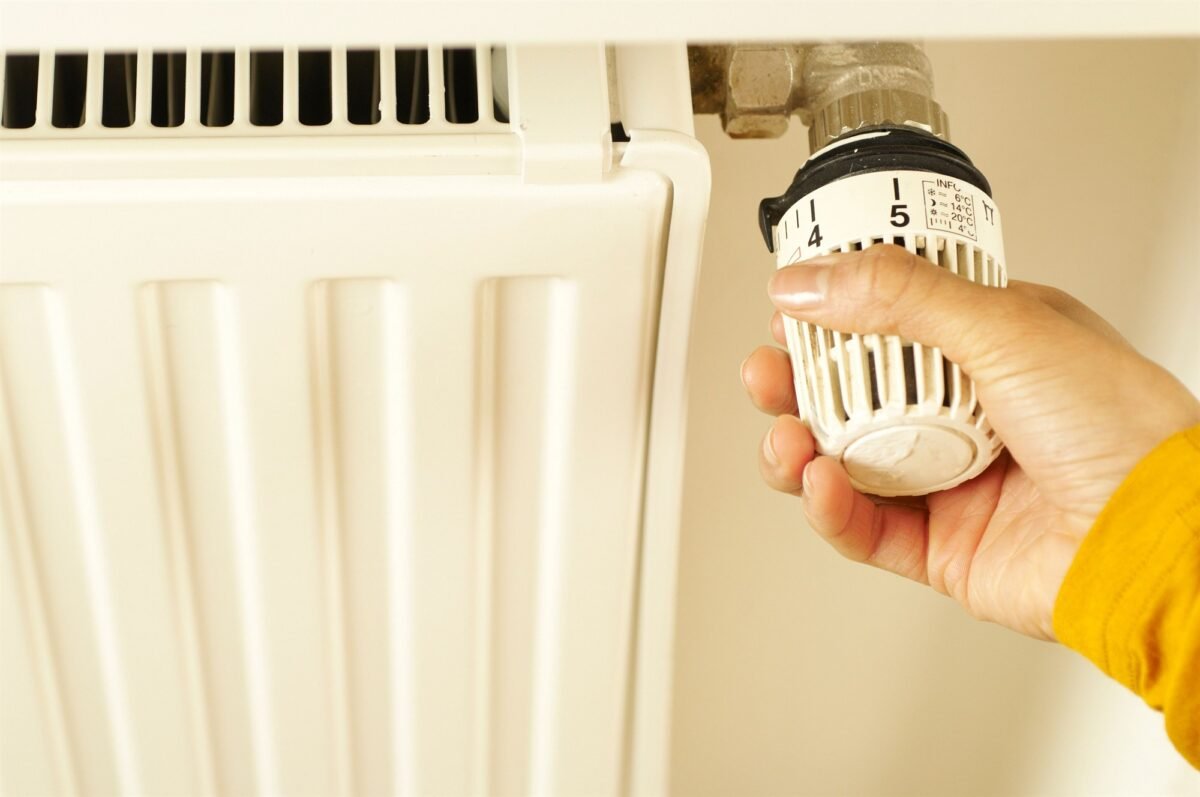
11. Keep radiators unobstructed
Move curtains and furniture away from radiators and baseboard heaters so heat can circulate. Avoid drying clothes directly on equipment unless the manufacturer explicitly permits it. Watch for burn hazards around children and pets.
12. Wear warmer indoor layers
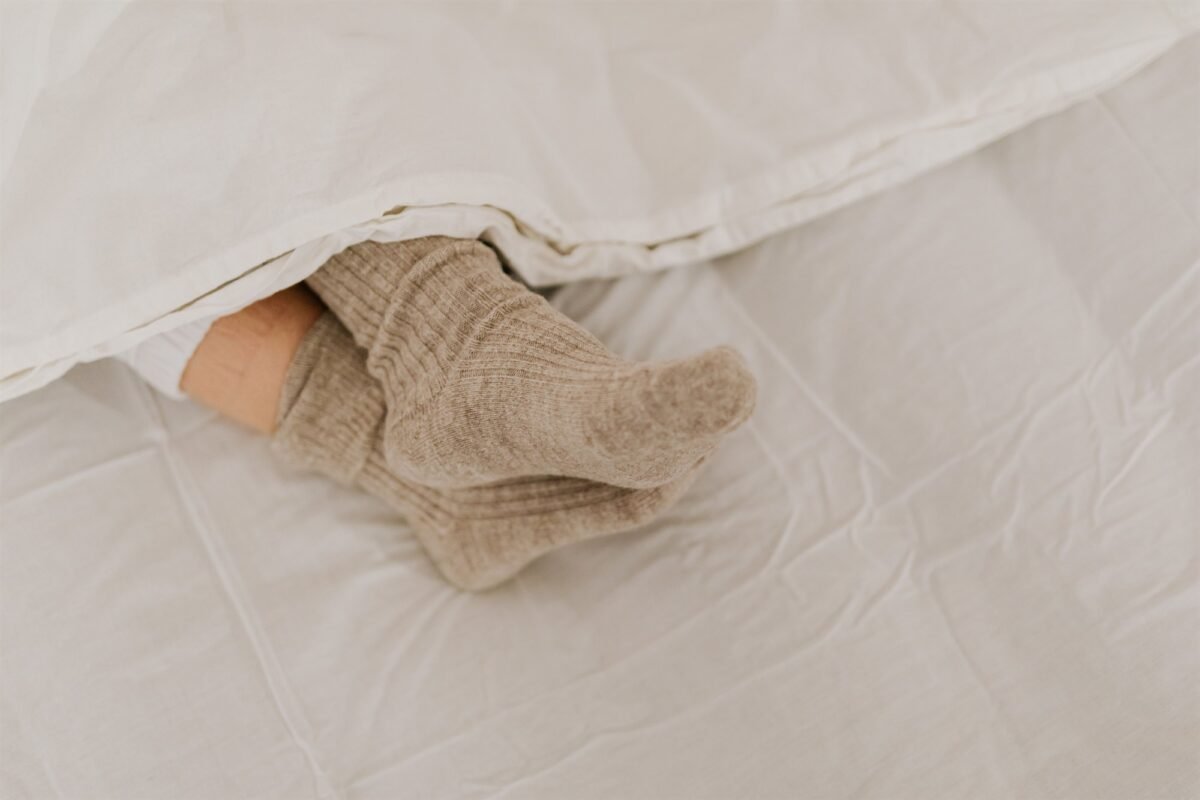
Socks, slippers and a sweater may help you feel comfortable without raising the thermostat. This is a comfort measure, not a substitute for maintaining a safe indoor temperature for vulnerable people.
13. Use blankets for sitting areas
Keep a throw on the couch or reading chair. This can improve comfort during quiet activities, especially in rooms with cold floors. Do not use blankets to cover heaters or electrical equipment.
14. Close gaps around accessible plumbing penetrations
Air may leak where pipes enter walls or floors. Use appropriate materials only in safe, accessible locations. Never seal combustion air openings or unfamiliar vents. Ask a qualified professional if you cannot identify an opening.
15. Check attic access seals
An unsealed attic hatch can allow warm air to escape. Weatherstripping may help, but avoid disturbing insulation or entering an unsafe attic. Professional advice is sensible if there are moisture or ventilation concerns.
16. Ask about a home energy audit
Some utilities or local programs offer discounted or free assessments. Check eligibility, scope and whether recommendations are optional. An audit can help distinguish inexpensive draft fixes from major upgrades.
17. Maintain heating equipment
Arrange recommended servicing by a qualified technician. A professional can inspect combustion safety, airflow and equipment condition. Do not attempt gas burner adjustments or furnace repairs based on a money-saving blog tip.
18. Check carbon monoxide alarms
Homes with fuel-burning equipment need working alarms in appropriate locations under local rules. Test and replace them according to manufacturer instructions. Never use a gas oven, grill or generator to heat a home.
19. Use space heaters only as directed
A portable electric heater may warm an occupied room but can increase electricity costs. Plug it directly into a suitable wall outlet, follow clearance instructions and never leave it unattended. It is not automatically cheaper than central heating.
20. Check whether time-of-use rates apply
Some electric utilities charge different rates at different times. Review the actual tariff before shifting appliance use. Heating schedules should still prioritize comfort and safe building temperatures.
21. Ask about budget billing
Some utilities offer plans that smooth seasonal bills across the year. This changes payment timing rather than necessarily reducing total energy cost. Read reconciliation terms and ask what happens if actual usage is higher.
22. Look for income-qualified energy assistance
Programs such as LIHEAP may help eligible U.S. households with heating costs, subject to local funding and rules. Contact your state or local administering agency; do not assume applications are open everywhere.
23. Ask about payment arrangements early
If you cannot pay a winter bill, contact the utility before disconnection. Ask about installment plans, hardship protections and local assistance. Terms vary by state and provider, so get the agreement in writing.
24. Compare supplier offers carefully
Where energy supply choice is available, compare the full rate, contract term, fees and renewal provisions. A teaser rate may increase later. Switching suppliers does not necessarily change delivery charges.
25. Track the next two bills
After making one or two changes, record usage, weather and thermostat settings. Avoid claiming a precise savings percentage without comparable data. Keep the changes that improve comfort and affordability without creating safety problems.
How to estimate whether a change helped
Suppose the variable heating portion of a bill is $150 and you reduce measured energy use by 5% under comparable conditions. That would be $7.50 on that portion, not necessarily 5% off the entire bill. Fixed charges, taxes and changing weather complicate comparisons. Treat percentage examples as arithmetic illustrations, not promises.
If you buy $40 of weatherstripping, consider whether the comfort improvement is worth it even before measurable savings. Keep receipts and note which windows or doors were treated. A product that does not fit, damages a rental or blocks necessary airflow can cost more than it saves.
Renters can still make useful changes
Start with reversible measures: move furniture away from vents, use curtains safely, check filters where permitted and report drafts or broken heating equipment to the landlord. Ask for repairs in writing and keep copies. Do not make permanent changes without permission. Local housing rules may establish minimum heat standards, but they differ by jurisdiction.
When a heating problem needs a professional
Unusual smells, soot, repeated shutdowns, yellow flames where blue flames are expected, or a carbon monoxide alarm require prompt attention. Follow emergency guidance and leave the area if there is a suspected carbon monoxide problem. Never troubleshoot a gas appliance by bypassing a safety switch.
If the system runs constantly without maintaining a reasonable temperature, request a qualified inspection. Repeatedly lowering the thermostat will not fix a failed component or major heat loss. An energy audit may help identify the real issue.
Frequently asked questions
Does turning down the heat always save money?
Not always in the same way. Equipment type, climate and setback size matter. Follow manufacturer guidance for heat pumps and protect pipes and vulnerable household members.
Are space heaters cheaper than central heating?
Not automatically. Electric resistance heaters can use substantial electricity. Compare local energy prices, equipment efficiency and the area heated, and follow strict fire-safety instructions.
What if I cannot afford the bill?
Contact your utility about payment arrangements and assistance. LIHEAP and other local programs may help eligible households, but funding and deadlines vary.
Should I close vents in unused rooms?
Not without system-specific guidance. Closing registers can change pressure and airflow. Ask a qualified technician before altering how a forced-air system distributes heat.
Start with a ten-minute check
Read the last two bills, move anything blocking vents and look for obvious drafts around an exterior door. Make one safe change, then review actual usage over time. If you need help with a bill, call the utility now rather than waiting for a disconnection notice.
Whatever you save on heating, put it to work: start an emergency fund or track it with the free Budget Starter Kit.