
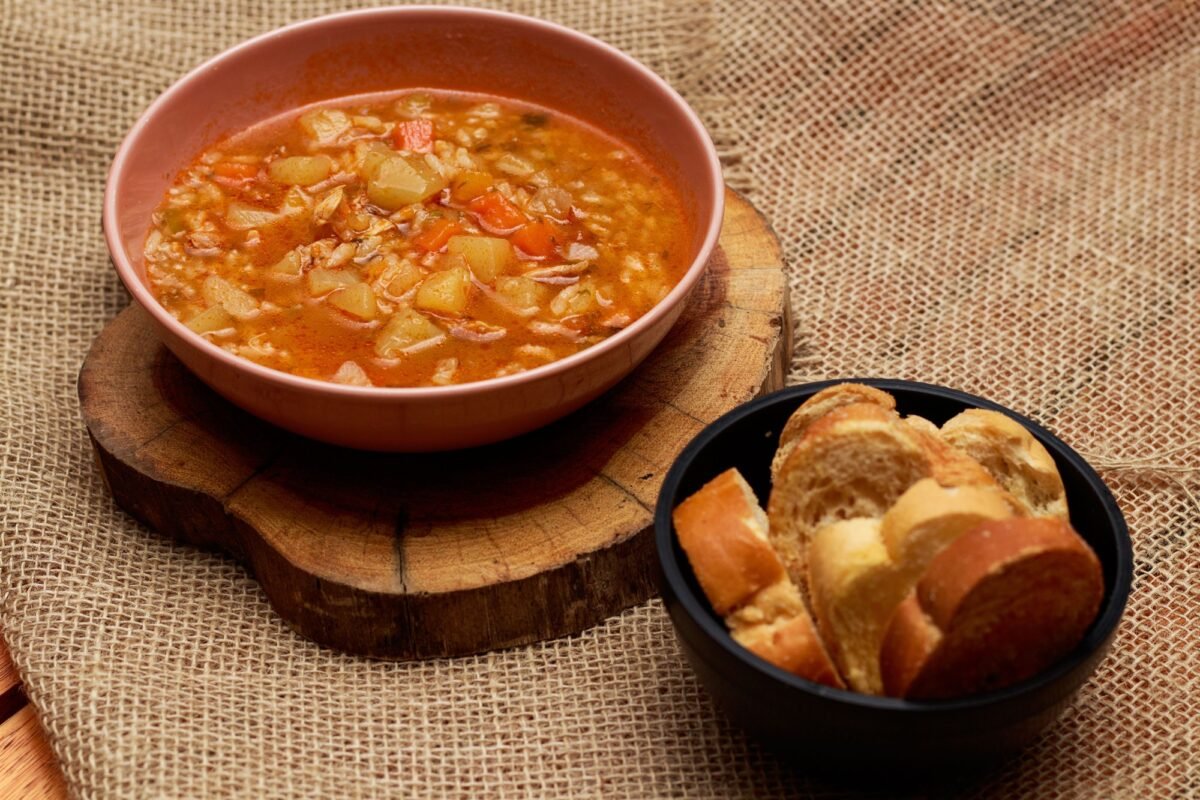
A large pot of soup can turn inexpensive ingredients into several meals, but the real cost depends on what you already own, local grocery prices and how large your servings are. Beans, lentils, potatoes, carrots and seasonal vegetables are useful starting points. Chicken, sausage and beef versions usually cost more, so compare package prices before choosing a recipe.
Table of contents
These are original recipe briefs for home cooks, not claims that every version has been kitchen-tested. Each makes roughly four to six bowls depending on the amount of broth, vegetables and toppings, and should be adjusted to your pot and household. Follow safe cooking temperatures and storage guidance, especially when using meat, eggs or dairy.
Before you cook: what counts as a cheap soup?
Price the full amount of each ingredient used, not only the amount of cash spent at checkout. If you buy a $3 bag of carrots and use one-third, allocate about $1 to the recipe and save the rest for another meal. Also include broth, seasonings, bread and toppings when estimating a complete dinner. Water can replace purchased broth in many bean soups if you season it well.
For a sample calculation, suppose beans cost $1.60, tomatoes $1.20, vegetables $2.00 and broth $1.50. That pot costs $6.30 before seasonings, fuel or sides. At six equal portions, the ingredient cost is about $1.05 per bowl. Those are illustrative numbers, not current nationwide store prices.
24 cheap soup recipes to make in batches
For every recipe below: Compare the cost of full packages and the portion you actually use. If serving this as dinner, consider bread or another side and include that in the meal cost. Cool leftovers promptly in shallow containers, refrigerate and use within the recommended storage window, or freeze suitable portions. Add liquid when reheating if the soup thickens.
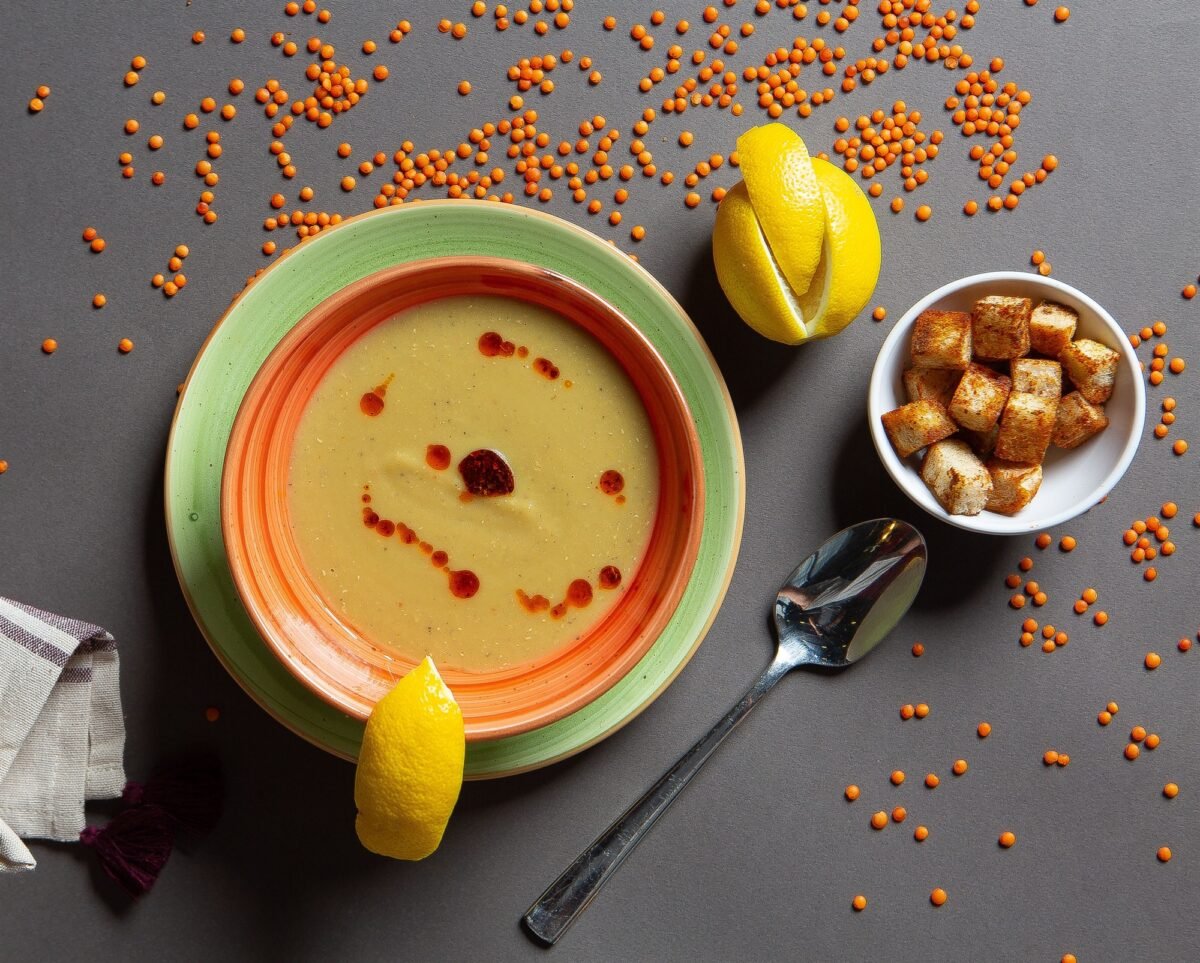
1. Lentil and carrot soup
Ingredients for roughly 4 to 6 bowls: 1 cup dry lentils, 3 carrots, 1 onion, 1 can diced tomatoes, 6 cups broth or water. Add salt, pepper and any familiar dried herbs to taste; check the salt content of packaged broth first.
Method: Simmer chopped vegetables and rinsed lentils until tender, about 25 to 35 minutes. Add more liquid as needed. Use red lentils for a softer soup; brown lentils hold their shape.
2. White bean and kale soup
Ingredients for roughly 4 to 6 bowls: 2 cans white beans, 3 cups chopped kale, 1 onion, 2 garlic cloves, 5 cups broth. Add salt, pepper and any familiar dried herbs to taste; check the salt content of packaged broth first.
Method: Soften onion and garlic, add drained beans and broth, then simmer 15 minutes. Stir in kale until tender. Frozen spinach can replace kale; add it near the end.
3. Potato and leek soup
Ingredients for roughly 4 to 6 bowls: 5 medium potatoes, 2 leeks, 1 tablespoon oil, 5 cups broth. Add salt, pepper and any familiar dried herbs to taste; check the salt content of packaged broth first.
Method: Wash leeks thoroughly, slice and cook gently in oil. Add diced potatoes and broth; simmer until soft, then mash some potatoes. Use onions instead of leeks when they cost less.
4. Tomato and rice soup
Ingredients for roughly 4 to 6 bowls: 2 cans crushed tomatoes, 1/2 cup dry rice, 1 onion, 5 cups broth. Add salt, pepper and any familiar dried herbs to taste; check the salt content of packaged broth first.
Method: Cook onion until soft, add tomatoes and broth, then simmer rice until tender. Add water if the rice absorbs too much liquid. Store cooked rice separately if planning several days of leftovers.
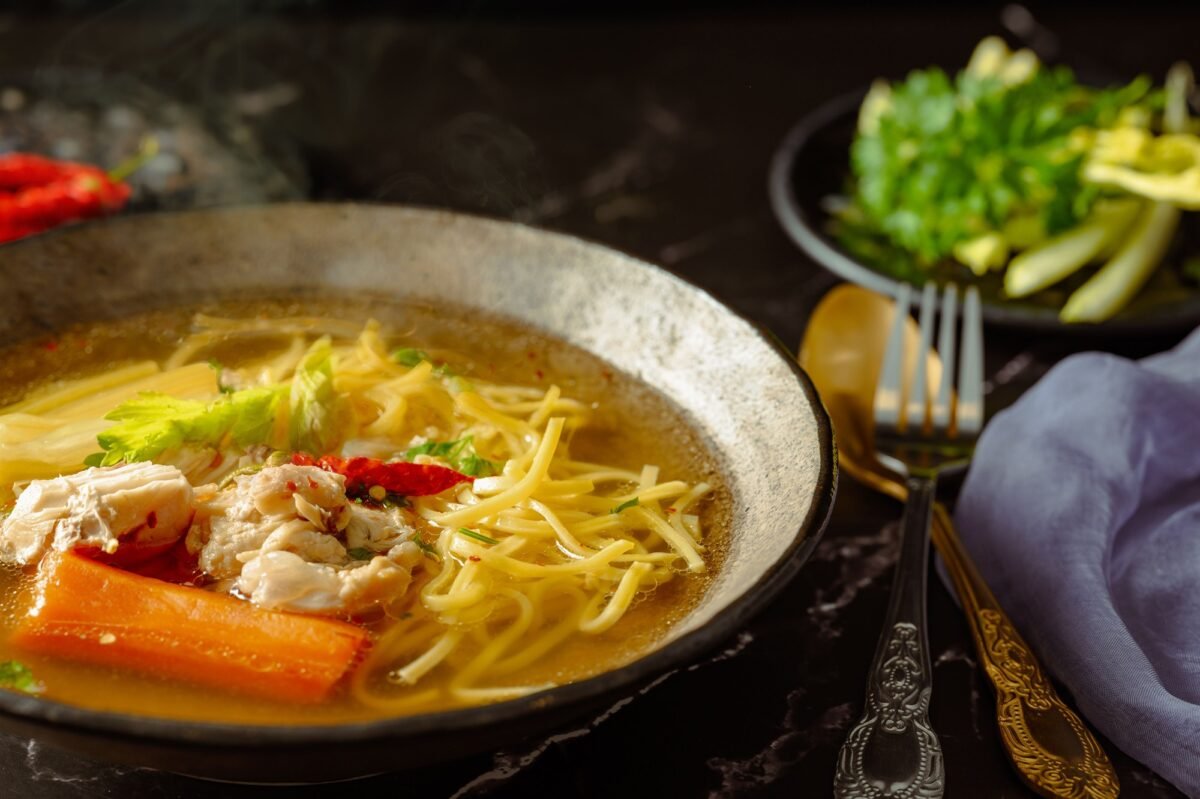
5. Chicken noodle soup
Ingredients for roughly 4 to 6 bowls: 2 cups cooked chicken, 2 carrots, 2 celery stalks, 1 onion, 6 cups broth, 2 cups dry noodles. Add salt, pepper and any familiar dried herbs to taste; check the salt content of packaged broth first.
Method: Simmer vegetables in broth until tender, add cooked chicken and noodles, and cook until noodles are done. Use leftover fully cooked chicken; keep extra noodles separate for freezing.
6. Black bean and corn soup
Ingredients for roughly 4 to 6 bowls: 2 cans black beans, 1 cup frozen corn, 1 can tomatoes, 1 onion, 4 cups broth. Add salt, pepper and any familiar dried herbs to taste; check the salt content of packaged broth first.
Method: Cook onion, add drained beans, corn, tomatoes and broth, then simmer for 20 minutes. Mash some beans to thicken. Serve with leftover rice if you need more portions.
7. Split pea soup
Ingredients for roughly 4 to 6 bowls: 1 pound dry split peas, 2 carrots, 1 onion, 7 cups water or broth. Add salt, pepper and any familiar dried herbs to taste; check the salt content of packaged broth first.
Method: Rinse peas, combine with diced vegetables and simmer gently until peas break down, roughly 60 to 90 minutes. Stir and add water as needed; no ham is necessary.
8. Cabbage and potato soup
Ingredients for roughly 4 to 6 bowls: 1/2 small cabbage, 3 potatoes, 2 carrots, 1 onion, 6 cups broth. Add salt, pepper and any familiar dried herbs to taste; check the salt content of packaged broth first.
Method: Cook onion, add chopped cabbage, potatoes, carrots and broth, and simmer until the potatoes are tender. A little vinegar at serving time can brighten the flavor.
9. Minestrone with pantry pasta
Ingredients for roughly 4 to 6 bowls: 1 can kidney beans, 1 can tomatoes, 1 zucchini, 2 carrots, 1/2 cup small pasta, 6 cups broth. Add salt, pepper and any familiar dried herbs to taste; check the salt content of packaged broth first.
Method: Simmer vegetables and beans until tender, then cook pasta in the soup until done. Cook pasta separately if freezing portions.
10. Creamy cauliflower soup
Ingredients for roughly 4 to 6 bowls: 1 large cauliflower, 1 potato, 1 onion, 5 cups broth, 1/2 cup milk. Add salt, pepper and any familiar dried herbs to taste; check the salt content of packaged broth first.
Method: Simmer chopped vegetables until soft, blend carefully and stir in milk off the heat. Use more potato for body if you want to skip milk.
11. Carrot ginger soup
Ingredients for roughly 4 to 6 bowls: 6 carrots, 1 onion, 1 teaspoon grated ginger, 5 cups broth. Add salt, pepper and any familiar dried herbs to taste; check the salt content of packaged broth first.
Method: Simmer vegetables and ginger until very soft, then blend until smooth. Start with less ginger for children and add more to individual bowls.
12. Broccoli cheddar soup
Ingredients for roughly 4 to 6 bowls: 1 large broccoli head, 1 potato, 1 onion, 4 cups broth, 1 cup shredded cheddar. Add salt, pepper and any familiar dried herbs to taste; check the salt content of packaged broth first.
Method: Simmer vegetables until tender, mash or blend partly, then stir in cheese over low heat. Avoid boiling after adding cheese to reduce separation.

13. Chickpea lemon soup
Ingredients for roughly 4 to 6 bowls: 2 cans chickpeas, 1 carrot, 1 onion, 5 cups broth, juice of 1 lemon. Add salt, pepper and any familiar dried herbs to taste; check the salt content of packaged broth first.
Method: Simmer chopped vegetables and chickpeas for 20 minutes; mash some chickpeas and add lemon just before serving. Bottled lemon juice can work if fresh lemons are expensive.
14. Sausage and white bean soup
Ingredients for roughly 4 to 6 bowls: 8 ounces fully cooked sausage, 2 cans white beans, 2 carrots, 5 cups broth. Add salt, pepper and any familiar dried herbs to taste; check the salt content of packaged broth first.
Method: Brown sliced sausage, add vegetables and broth, then simmer until carrots are tender. Stir in drained beans. Check sausage ingredients and fully heat according to package directions.
15. Vegetable barley soup
Ingredients for roughly 4 to 6 bowls: 3/4 cup pearl barley, 2 carrots, 2 celery stalks, 1 onion, 7 cups broth. Add salt, pepper and any familiar dried herbs to taste; check the salt content of packaged broth first.
Method: Simmer barley and vegetables until the barley is tender, usually 35 to 50 minutes. Barley absorbs liquid in storage; add broth when reheating.
16. Sweet potato and red lentil soup
Ingredients for roughly 4 to 6 bowls: 2 sweet potatoes, 3/4 cup red lentils, 1 onion, 6 cups broth. Add salt, pepper and any familiar dried herbs to taste; check the salt content of packaged broth first.
Method: Cook onion, add diced sweet potatoes and rinsed lentils, then simmer until both soften. A pinch of cumin or smoked paprika adds flavor without a costly sauce.
17. Egg drop vegetable soup
Ingredients for roughly 4 to 6 bowls: 5 cups broth, 2 eggs, 1 cup frozen mixed vegetables, 1 tablespoon cornstarch. Add salt, pepper and any familiar dried herbs to taste; check the salt content of packaged broth first.
Method: Simmer vegetables in broth. Add cornstarch slurry if desired, then drizzle beaten eggs into gently simmering soup until set. Serve promptly; this is better fresh than frozen.
18. Tortilla bean soup
Ingredients for roughly 4 to 6 bowls: 2 cans pinto beans, 1 can tomatoes, 1 onion, 5 cups broth, 2 corn tortillas. Add salt, pepper and any familiar dried herbs to taste; check the salt content of packaged broth first.
Method: Simmer beans, tomatoes and onion in broth. Cut tortillas into strips and add shortly before serving. Use stale tortillas rather than buying packaged chips.
19. Mushroom and rice soup
Ingredients for roughly 4 to 6 bowls: 8 ounces mushrooms, 1/2 cup dry rice, 1 onion, 6 cups broth. Add salt, pepper and any familiar dried herbs to taste; check the salt content of packaged broth first.
Method: Cook sliced mushrooms and onion, add rice and broth, and simmer until rice is tender. For leftovers, store rice separately when possible.
20. Pumpkin and white bean soup
Ingredients for roughly 4 to 6 bowls: 1 can plain pumpkin puree, 1 can white beans, 1 onion, 5 cups broth. Add salt, pepper and any familiar dried herbs to taste; check the salt content of packaged broth first.
Method: Cook onion, add pumpkin, drained beans and broth, and simmer gently for 15 minutes. Blend partly if desired. Use plain pumpkin, not sweetened pie filling.
21. Peanut sweet potato soup
Ingredients for roughly 4 to 6 bowls: 2 sweet potatoes, 2 tablespoons peanut butter, 1 can tomatoes, 1 onion, 5 cups broth. Add salt, pepper and any familiar dried herbs to taste; check the salt content of packaged broth first.
Method: Simmer diced sweet potatoes with onion, tomatoes and broth. Stir in peanut butter once vegetables are tender. Clearly label peanuts for anyone with allergies; omit peanut butter if needed.
22. Spinach and orzo soup
Ingredients for roughly 4 to 6 bowls: 1 cup dry orzo, 2 cups frozen spinach, 1 carrot, 6 cups broth. Add salt, pepper and any familiar dried herbs to taste; check the salt content of packaged broth first.
Method: Simmer diced carrot in broth, cook orzo until tender, then add spinach and heat through. Keep extra orzo separate to avoid soggy leftovers.
23. Beef and vegetable soup
Ingredients for roughly 4 to 6 bowls: 1 pound stew beef, 2 potatoes, 2 carrots, 1 onion, 7 cups broth. Add salt, pepper and any familiar dried herbs to taste; check the salt content of packaged broth first.
Method: Brown beef, add vegetables and broth, and simmer gently until beef is tender; cooking may take 1.5 to 2 hours or longer. Use a thermometer and safe handling practices; beef may cost more than bean soups.
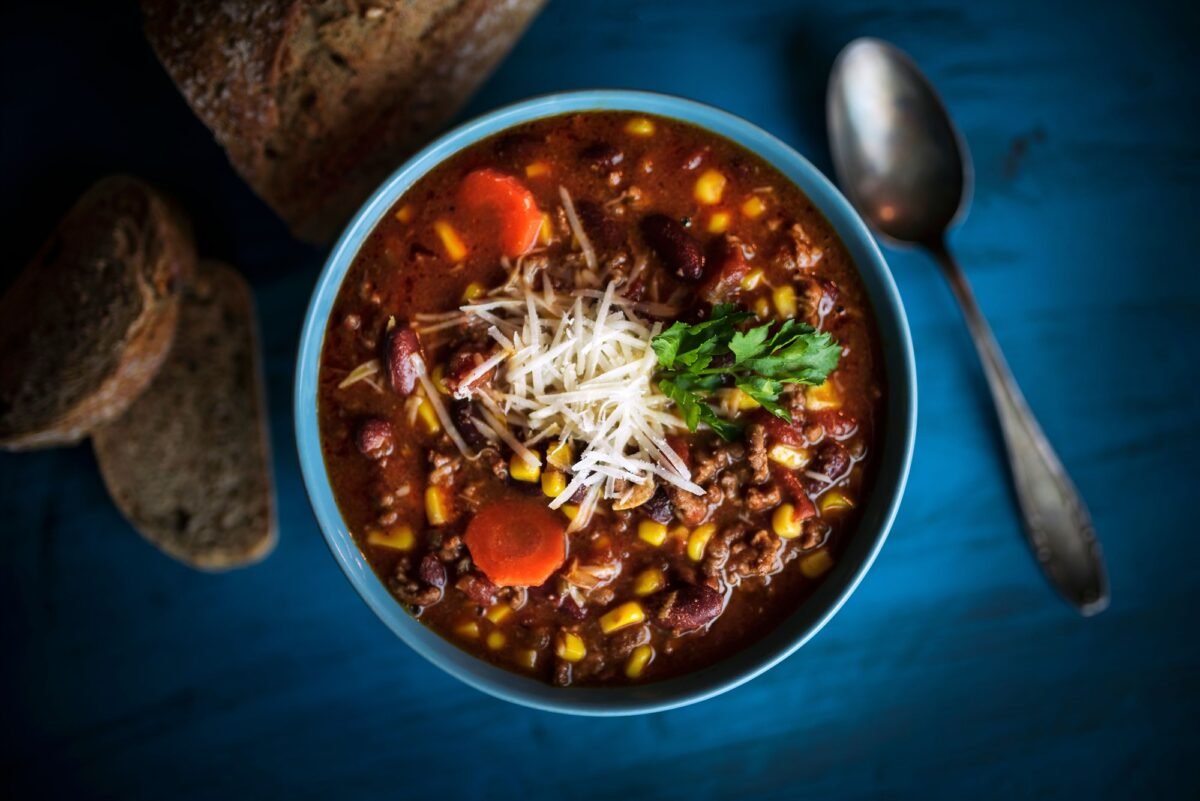
24. Three-bean chili soup
Ingredients for roughly 4 to 6 bowls: 1 can black beans, 1 can kidney beans, 1 can pinto beans, 1 can tomatoes, 1 onion, 5 cups broth. Add salt, pepper and any familiar dried herbs to taste; check the salt content of packaged broth first.
Method: Cook onion, add drained beans, tomatoes, broth and mild chili seasoning, then simmer for 20 minutes. Mash a scoop of beans to thicken without extra ingredients.
Make one pot last without risking food safety
The phrase ‘feed a family for days’ does not mean leave soup simmering on the stove or keep a giant pot in the refrigerator indefinitely. Divide cooked soup into shallow containers and refrigerate promptly. As a general U.S. food-safety guideline, refrigerate perishable food within two hours, or within one hour when the temperature is above 90°F. Keep the refrigerator at 40°F or below. Most cooked leftovers should be used within three to four days or frozen for longer storage. Reheat leftovers to 165°F, checking with a food thermometer.
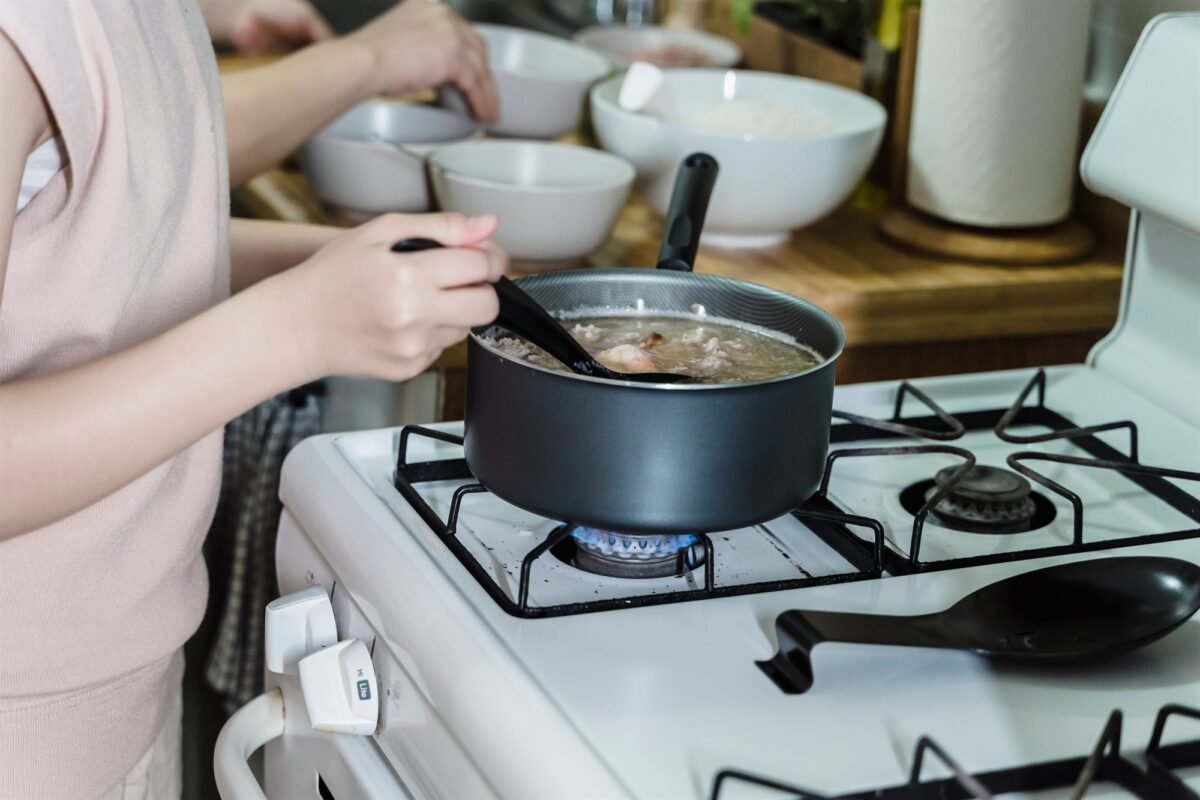
Soups containing pasta or rice often absorb liquid overnight. Store those starches separately if you want better texture, particularly when freezing. Dairy-heavy soups may separate when thawed, so freeze a small portion first if texture matters to your household.
A simple three-day soup plan
Cook a six-serving bean soup on Sunday. Serve four portions with bread that night, refrigerate two for Monday lunch, and freeze any extra before it sits too long. On Tuesday, make a different vegetable soup rather than relying on one pot to cover every meal. Variety helps with nutrition and makes leftovers more appealing.
If you are feeding four adults and want dinner plus lunches, six small bowls may not be enough. Double the recipe if your pot can safely hold it, or serve filling sides. A family of two may get several days of meals from the same amount. Portion size matters more than the size of the stockpot.
What about slow cookers and canned beans?
Slow cookers can be convenient for many soups, but follow the appliance instructions and use safe preparation methods. Dry kidney beans require special care because they contain a natural toxin when undercooked; do not put raw dry kidney beans straight into a slow cooker without appropriate boiling and preparation. Canned kidney beans are already cooked and are simpler for these recipes.
Rinse canned beans if you want to reduce some sodium. If using dry beans instead, account for soaking, cooking time and water. Do not assume the dry version is cheaper without comparing actual package prices and yield.

Frequently asked questions
Which soups freeze best?
Lentil, bean, tomato and many vegetable soups tend to freeze well. Pasta and dairy-heavy versions may change texture. Label containers with the date and contents.
Can I use water instead of broth?
Yes for many recipes, especially with onions, garlic, tomatoes and herbs. Taste and adjust seasoning rather than assuming plain water will produce identical flavor.
How do I estimate cost per serving?
Add the cost of the quantities used, including seasonings and sides, then divide by the number of portions you actually serve. Do not divide by an optimistic serving count that leaves people hungry.
Are these recipes suitable for every diet?
No. Check ingredients for allergens, sodium and dietary needs. Several recipes contain wheat, dairy, eggs, peanuts or meat. Substitute only where the recipe will still cook safely.
Choose one soup for the next grocery trip
Start with a recipe that uses two or three ingredients you already have. Write down the missing quantities and compare the total with another dinner you might make. That is how an inexpensive soup becomes a reliable part of your meal plan.
For more budget meals, see our cheap Christmas dinner for 10 and cheap Thanksgiving side dishes.