
A winter afternoon indoors does not need a new craft kit or paid subscription. Start with what is already in your home: scrap paper, blankets, books, empty boxes, soft toys and a little floor space. The 41 ideas below range from five-minute games to projects that can occupy much longer, depending on age and interest.
Table of contents
‘Free’ here means no additional purchase is required if you already have the ordinary materials mentioned. Some families may need to substitute an activity or skip it. A library event may be free to attend but still require transport or internet access. Choose activities that match the children in your care and supervise scissors, small objects and food appropriately.
Set up a low-cost indoor activity day
Instead of planning eight elaborate crafts, choose one movement game, one creative activity and one quiet option. Put away supplies between activities so the room does not become unmanageable. If children have different ages, adapt the same game rather than expecting everyone to enjoy an identical challenge.
41 free winter activities for kids
For every activity below: Set a small time limit at first and invite children to change the rules or choose the next turn. Use household supplies rather than buying materials for a one-time activity. If the room is crowded or a child is tired, simplify the setup instead of insisting on the original plan.
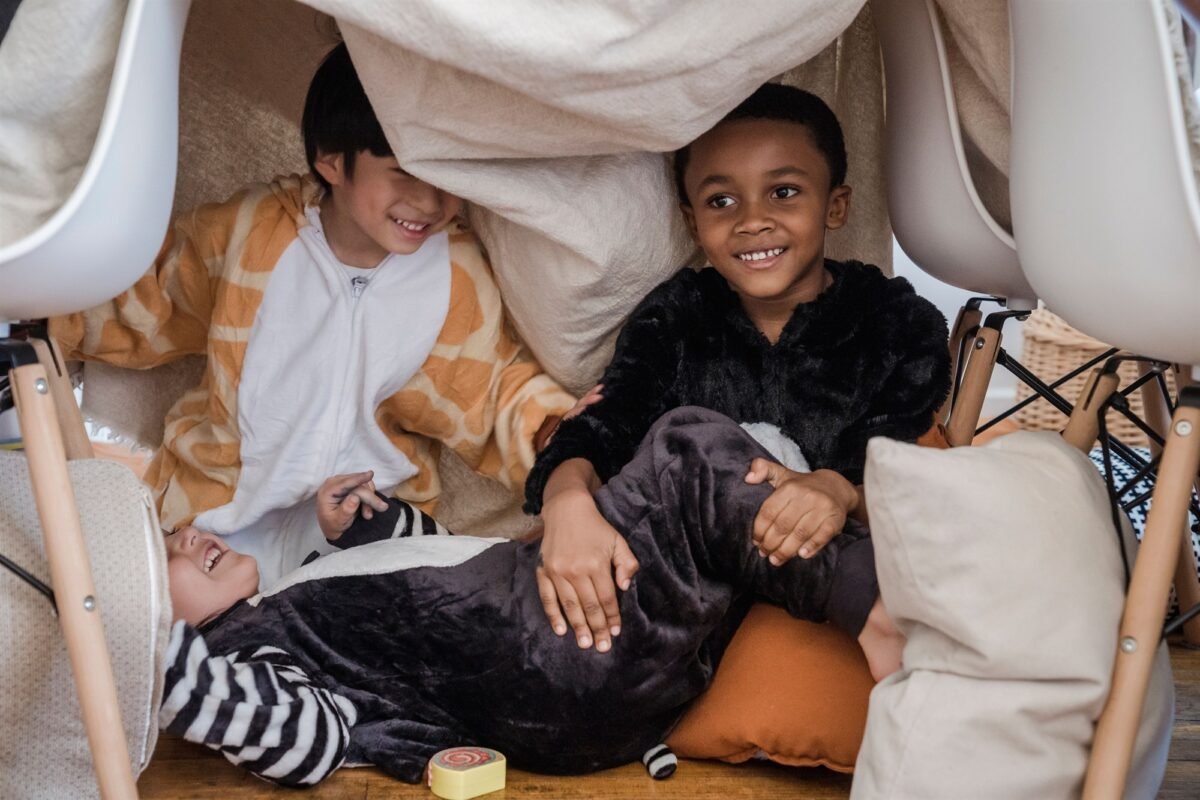
1. Build a blanket fort
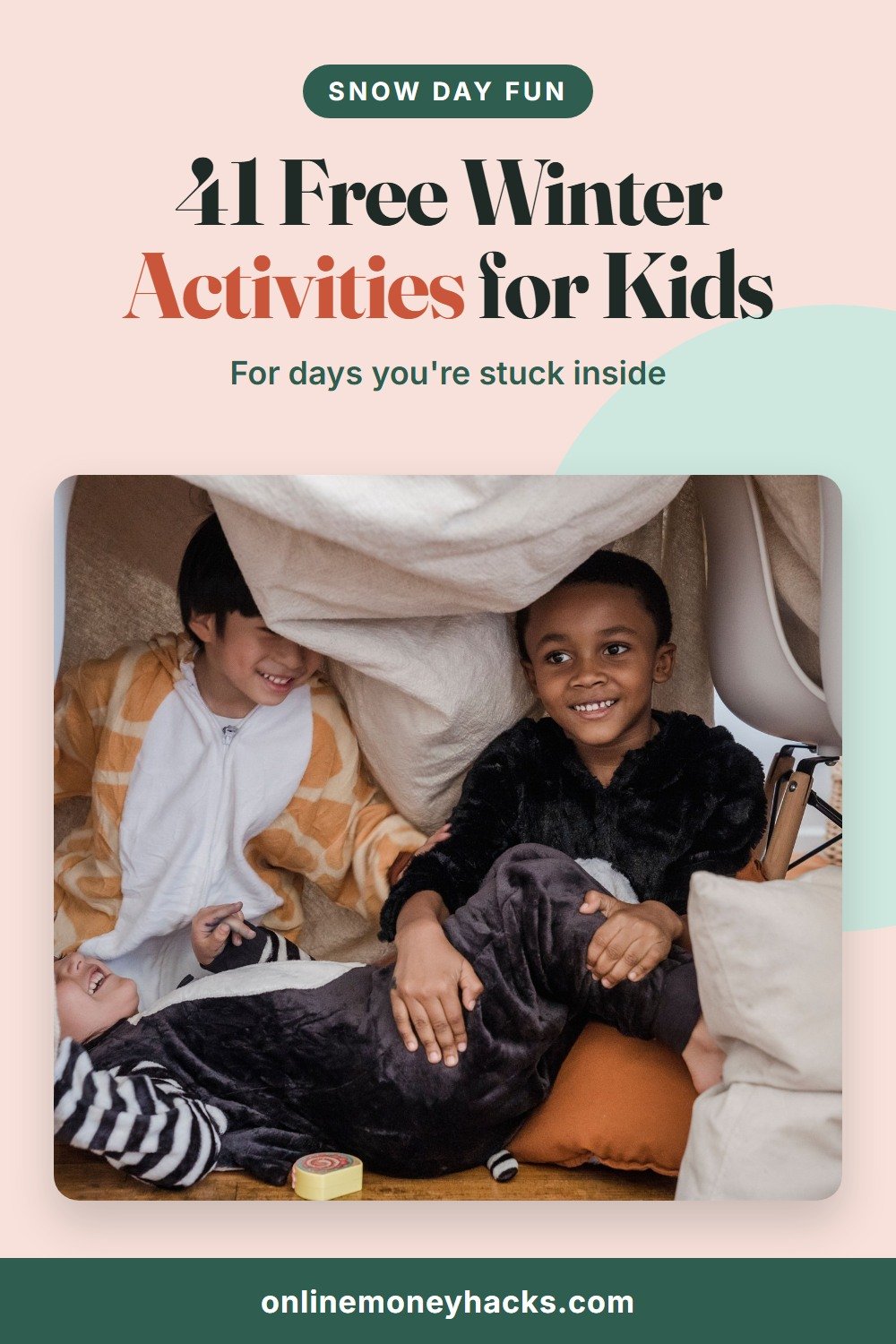
Drape sheets over sturdy chairs and add pillows. Keep fabric away from heaters and lamps, and leave a clear exit. Younger children may enjoy reading inside while older kids turn the fort into a pretend campsite.
2. Create a paper snowflake gallery
Fold scrap paper, cut simple shapes and tape the finished snowflakes to a window. Use child-safe scissors and help with folding. Save the paper pieces for a collage rather than buying special craft packs.

3. Make a cardboard town
Turn shipping boxes into houses, shops and roads. Draw windows with markers you already own. Use tape rather than sharp staples, and let each child decide what building to add.
4. Hold a living-room dance party
Choose a few favorite songs and clear the floor. Make it a freeze-dance game by stopping the music at random. Keep volume comfortable and move furniture out of the way before anyone starts jumping.
5. Try a sock toss target game
Roll clean socks into soft balls and aim them at laundry baskets from different distances. Give younger children a closer target. It is quieter and safer indoors than throwing hard toys.
6. Play animal charades
Write animal names on slips of paper or whisper one to a player. Everyone guesses from movements alone. Make the game easier for preschoolers with familiar pets and farm animals.
7. Design a paper treasure map
Hide a small household object and draw a map with three landmarks. Take turns creating clues. The prize can be choosing the next game, so no candy or purchased treats are required.
8. Run a hallway obstacle course
Use cushions, painter-safe markers or folded towels for stepping spots. Avoid stairs and slippery surfaces. Time is optional; children can simply complete the course in their own way.
9. Start a family story circle
One person begins with a sentence and each player adds the next. Record the story on paper if children want to illustrate it later. Funny twists work better than strict rules.
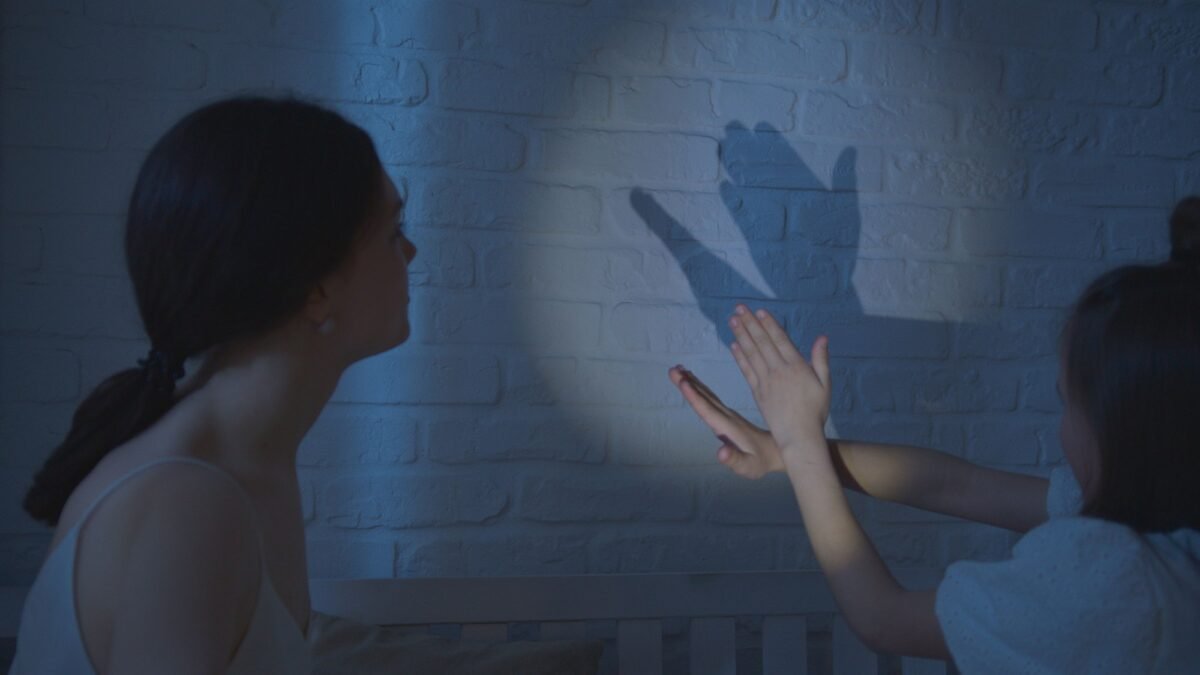
10. Create a shadow puppet show
Use a flashlight pointed at a clear wall and make shapes with hands. Keep the room dim enough to see shadows but bright enough to move safely. Invite children to invent a short play.
11. Build a paper chain countdown
Cut strips from old magazines or scrap paper and connect them into loops. Count down to a birthday or the next school day. This doubles as simple cutting and counting practice.
12. Sort buttons or large objects by color
Use large, age-appropriate household objects for sorting games. Avoid buttons, coins and other choking hazards with children under three. Older kids can invent their own classification rules.
13. Make a family memory book
Staple together a few sheets of paper and draw favorite moments from the year. Children can dictate captions to an adult. No printed photos or paid scrapbook supplies are needed.
14. Play indoor bowling
Stand up empty plastic bottles and roll a soft ball toward them. Set a clear lane away from breakables. Adjust the number of pins for younger players.
15. Create a kitchen rhythm band
Use an empty container and wooden spoon to tap simple patterns. Ask children to repeat the rhythm or invent one. Keep noise and supervision appropriate to your home.
16. Make a window weather journal
Draw a box for each day and record clouds, rain, snow or sunshine. Compare the week at the end. Observing weather from indoors is enough; no outdoor trip or special thermometer is required.
17. Read aloud in character voices
Choose a library book or a familiar book from home. Give each character a different voice and invite children to predict what happens next. Stop while it is still fun rather than turning it into a test.
18. Host a toy museum
Arrange favorite toys on a shelf and make handwritten labels. One child becomes the guide and explains each exhibit. This can refresh interest in toys that have been ignored for weeks.
19. Try a no-cook snack assembly
Let children arrange crackers, fruit or other foods already available. Wash hands, consider allergies and supervise age-appropriate cutting. The activity is free only if it uses food you were going to serve anyway.
20. Play a memory tray game
Place six familiar objects on a tray, let children study them and cover the tray. Remove one item and ask what changed. Start with three objects for younger children.
21. Build with recycled tubes
Use clean cardboard tubes to make towers or marble-free ramps for soft objects. Avoid tiny parts with young children. Reuse packaging from products you already bought.
22. Create a puppet from an old sock
Use a clean unmatched sock and draw a face with washable markers. Skip glued-on beads for toddlers. Have each puppet introduce itself and tell a two-minute story.
23. Make a pretend grocery store
Arrange pantry packages on a table and write simple price tags. Children can practice adding amounts with paper money they draw themselves. Return the food to storage when finished.
24. Have a family quiz night
Ask questions about favorite animals, books and household facts. Let kids write some questions so adults have to guess too. Keep score only if everyone enjoys competition.
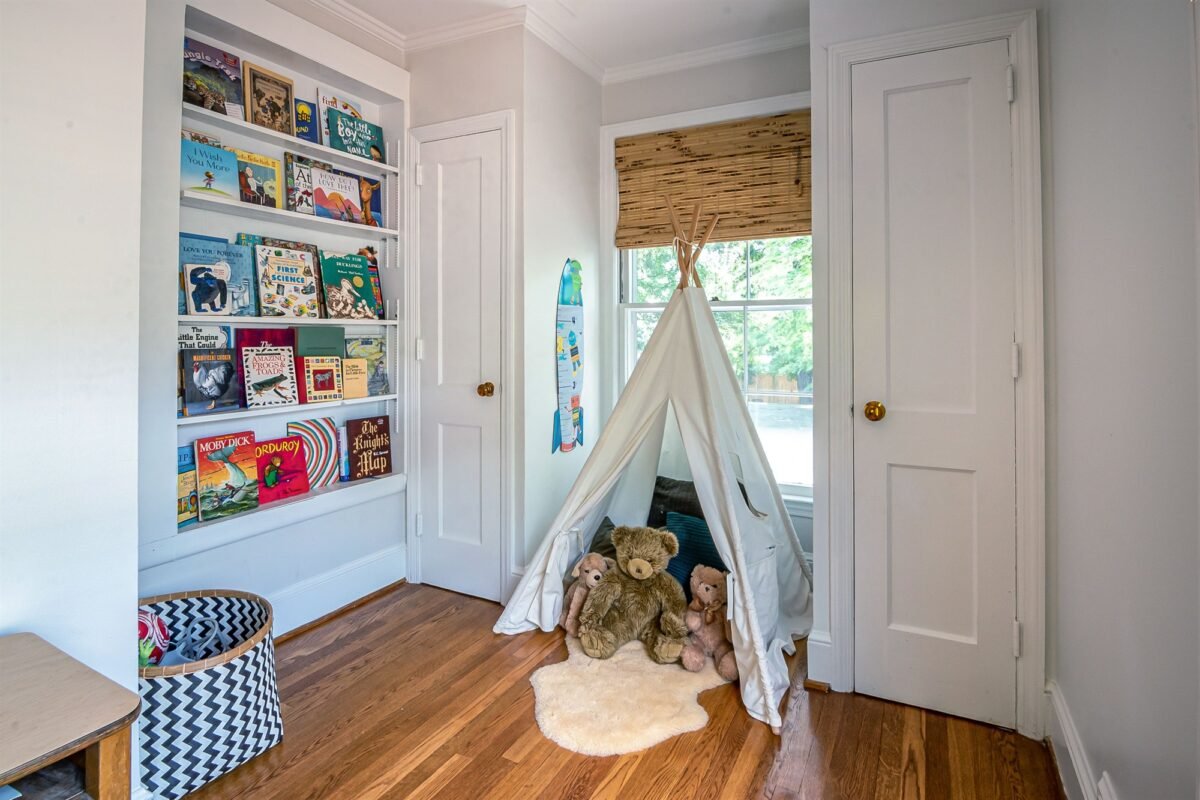
25. Build a reading nook
Move a cushion and blanket near a window, away from cords and heaters. Let each child choose a book. A cozy space can make an ordinary reading session feel different.
26. Play the alphabet scavenger hunt
Find an object beginning with A, then B and so on. Skip difficult letters for younger kids. Make a list on scrap paper to keep track without buying printed worksheets.
27. Practice origami with scrap paper
Fold boats, hats or simple animals using paper already at home. Begin with two or three easy folds. The goal is experimenting, not making perfect models.
28. Make a family newspaper
Divide a page into headlines, weather, comics and interviews. Kids can report on the household pet or a favorite meal. Read the finished paper aloud at dinner.
29. Create a color hunt
Pick one color and find ten safe objects around the room. Change colors or count shades. This works in a small apartment and needs no special supplies.
30. Try mirror drawing
One person draws a simple shape while another copies it as if looking in a mirror. Switch roles after a minute. Older children can attempt more complex patterns.
31. Host a stuffed-animal clinic
Use blankets and pretend checkups for stuffed toys. Avoid real medicines and sharp tools. Children can make appointment cards from scrap paper.
32. Play floor-is-lava carefully
Choose designated safe stepping spots with stable cushions or paper markers. Do not jump across furniture or climb. Keep the course low and suitable for the room.
33. Write letters to relatives
Draw cards or write short notes to people the children know. Mailing costs money, so deliver them digitally or save them for a later visit if you want the activity to remain free.
34. Make a paper airplane test lab
Fold different paper airplanes and compare how far they glide down a clear hallway. Record results with tally marks. Avoid throwing toward faces or fragile objects.
35. Play a guessing game with sounds
Make a sound behind a screen using keys, paper or a cup and ask children to identify it. Keep small objects out of reach of toddlers. Take turns choosing sounds.
36. Invent a new board game
Draw a path of squares on paper and use existing toy pieces as markers. Children decide the rules and test whether they are fair. Change the game after the first round.
37. Try a quiet drawing challenge
Set a theme such as an imaginary animal or a dream bedroom. Use pencils and paper already available. Invite everyone to explain their picture without judging artistic skill.
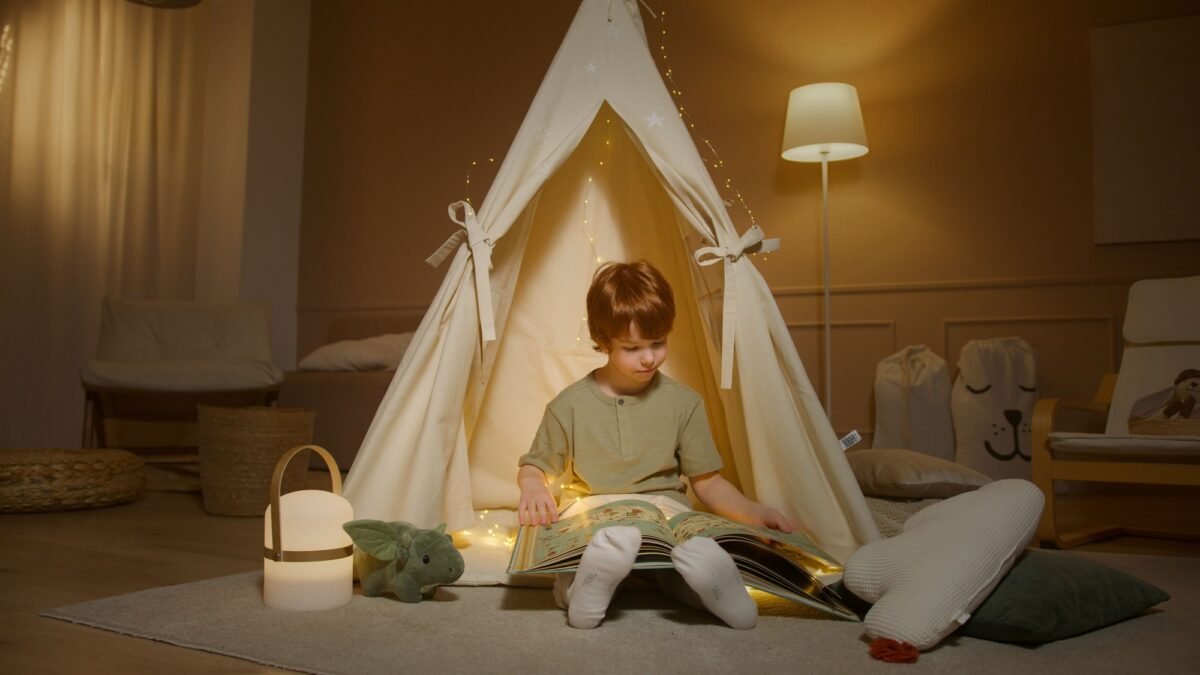
38. Build a blanket reading tent
Use a different corner from the first fort and make a tiny reading space for one child. A lamp should stay outside fabric structures. This is especially useful when siblings need a quiet turn.
39. Visit a free library storytime online
Check your local library’s calendar for virtual readings or recorded activities. Internet access is required, and not every library offers them. Use an existing connection rather than paying for a new subscription.
40. Make a family time capsule envelope
Draw what everyone likes this winter and place the pages in an envelope to reopen next year. Include dates and ages, but avoid sharing private information online.
41. Plan a rotating activity jar
Write favorite free activities on paper slips and put them in a jar. On a difficult afternoon, draw one option that fits the available time and energy. Replace ideas that no longer interest the children.
How to rotate the ideas all winter
Keep three categories on a piece of paper: active, creative and quiet. When children have been sitting for a long time, offer an active game first. After lunch, try a short drawing or reading activity. If one game works particularly well, repeat it next week with a new theme rather than inventing a fresh project every day.
A simple five-day plan could use paper snowflakes and a dance party on Monday, a cardboard town on Tuesday, a toy museum on Wednesday, indoor bowling on Thursday and a family newspaper on Friday. All five can be adapted to different ages. A child who dislikes crafts might prefer inventing rules or telling a story.
Keep the activities genuinely free
Before buying anything, ask whether paper, a box, a blanket or a familiar toy can do the job. Free printables are not truly free if you must purchase ink or paper just to use them. Libraries may offer useful digital resources, but check whether a library card or registration is required.
The hidden cost of an indoor project can also be cleanup. Choose washable supplies, keep scissors and food preparation supervised, and put fragile items away before movement games. If an activity needs a special material, skip it rather than adding another errand to your day.
Questions parents ask
What works best for preschoolers?
Simple color hunts, sock tossing, pretend shops and reading aloud are easy to adapt. Avoid small loose objects and make supervision part of the plan.
What can older kids do without constant help?
A family newspaper, homemade board game, cardboard town or illustrated story can support independent work once the materials and safety boundaries are clear.
What if we live in a small apartment?
Choose paper games, reading, charades and tabletop projects. Movement activities should fit the available floor space without climbing or jumping on furniture.
How do I keep the same activities interesting?
Change the theme, swap roles or let children design the rules. Repetition can be comforting, and there is no need to produce a new project every day.
Pick three activities for tomorrow
Choose one idea that uses energy, one that makes something and one that helps everyone settle down. Put the materials in a small basket tonight. A little preparation is more useful than buying another box of supplies.
Looking for more free family fun? Try these free Christmas traditions or plan a no-spend month together.