50/30/20 Budget Rule Explained (With Real Examples on $3,000 a Month)

The 50/30/20 budget rule divides after-tax income into three parts: 50 percent for needs, 30 percent for wants and 20 percent for savings or extra…

Budget methods, printables, saving challenges, debt payoff basics, and couples money.
The 50/30/20 budget rule divides after-tax income into three parts: 50 percent for needs, 30 percent for wants and 20 percent for savings or extra…

A first budget needs just three numbers to get started: what comes in, what must go out and what remains for everything else. You can…

If you need an emergency fund quickly, start by finding cash you can keep, not by committing to an ambitious savings challenge. A first target…

Saving $10,000 in a year requires an average of about $833.33 a month, before considering interest. That is a substantial amount for many households. This…

A low-buy year means buying less in selected categories while still paying for what you need. It works better with specific rules than with a…

Money saving challenges for low income households should start with amounts that can be skipped without a penalty. A $1 payday deposit or a one-week…

A no-spend challenge is a temporary pause on optional purchases, not a ban on paying for necessities. The useful version has written rules, clear exceptions…

The 365-day penny challenge begins with one cent and increases by a cent each day, reaching $3.65 on day 365. Completing every deposit saves $667.95.…

The 100 envelope challenge adds up to $5,050, but it only works if you can afford all 100 deposits. A smaller set or a longer…

The standard 52-week money challenge starts with $1 and ends with $52, saving $1,378 in a year. That final deposit is substantial if money is…
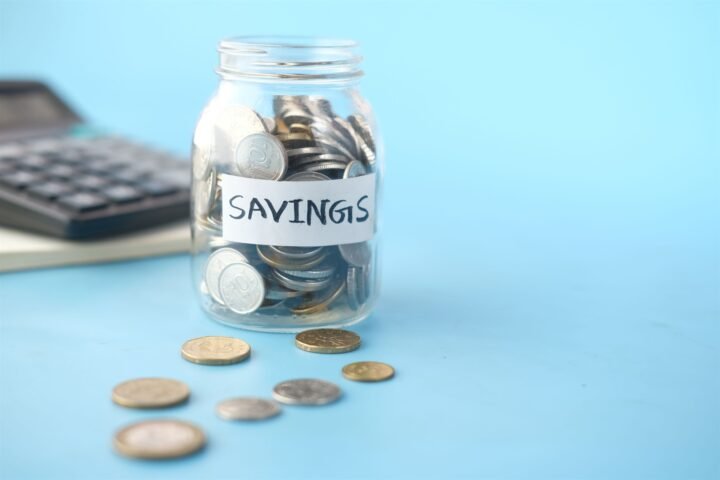
Twelve small challenges are easier to fit around 2027 than one huge savings target. Pick a monthly task, record the real result and change the…

January bills still need paying even during a no-spend challenge. The useful version pauses optional purchases while protecting groceries, transportation, medication and minimum debt payments.…