

A low-buy year means buying less in selected categories while still paying for what you need. It works better with specific rules than with a vague promise to stop shopping. These fifteen low-buy year rules cover replacements, waiting periods, exceptions and review dates so the plan can survive ordinary life.
Table of contents
- 1. Choose only the categories that cause problems
- 2. Make a replacement-only rule for basics
- 3. Wait 48 hours before optional purchases
- 4. Set a monthly fun-money allowance
- 5. Check your closet before shopping
- 6. Use up opened personal-care products first
- 7. Limit décor to a planned list
- 8. Unfollow shopping accounts that trigger purchases
- 9. Borrow or rent occasional-use items
- 10. Create an exception for work and health needs
- 11. Keep gifts intentional
- 12. Track what you buy and why
- 13. Find non-shopping ways to celebrate
- 14. Review the rules every three months
- 15. Plan the end of the year before it arrives
- A practical plan you can adapt
- Questions readers ask
- Write a low-buy agreement that leaves room for real life
- How to measure whether the year is working
- Avoid the all-or-nothing trap
- Your next step
1. Choose only the categories that cause problems
A low-buy year is not a promise to stop buying everything. Start with two or three optional categories, such as clothes, décor or beauty extras. If you rarely buy home decorations, banning them will not change much. Look at past transactions and choose categories where you actually want a different habit. Keep groceries, medication, transport and other essentials outside the experiment.
2. Make a replacement-only rule for basics
Replace an item when the one you own no longer works or fits its purpose. A torn work shirt may need replacing; a fifth similar shirt probably does not. Decide whether secondhand or repair options are practical, but include time and transport costs. Replacement-only rules are useful because they reduce browsing without requiring you to live with unsafe or unusable things.
3. Wait 48 hours before optional purchases
Put nonessential items on a dated list and return to them after two days. The wait does not guarantee you will change your mind, but it gives you time to check your budget and what you already own. For larger purchases, use a longer period that fits the decision. Do not apply the waiting rule to medicine, urgent repairs or other genuine needs.
4. Set a monthly fun-money allowance
A low-buy year can include planned enjoyment. Choose an amount left after essentials, debt minimums and necessary savings. If $25 is feasible, treat it as a cap rather than a target to spend. Carrying unused money forward is optional. A rule that allows no pleasure at all may lead to a larger rebound purchase later.
5. Check your closet before shopping
Write down what fits, what needs repair and what is missing for your actual routine. A clothing inventory prevents buying another version of something you already have. Do not keep uncomfortable or damaged clothes solely to prove restraint. The aim is to spend deliberately, not to make daily life harder.

6. Use up opened personal-care products first
Before buying another lotion or shampoo, check what is already open and safe to use. Keep an exception for products that irritate your skin or no longer suit your needs. Expired or unsafe products are not worth using to save a few dollars. This rule is especially helpful when attractive packaging makes ordinary toiletries feel like collectibles.
7. Limit décor to a planned list
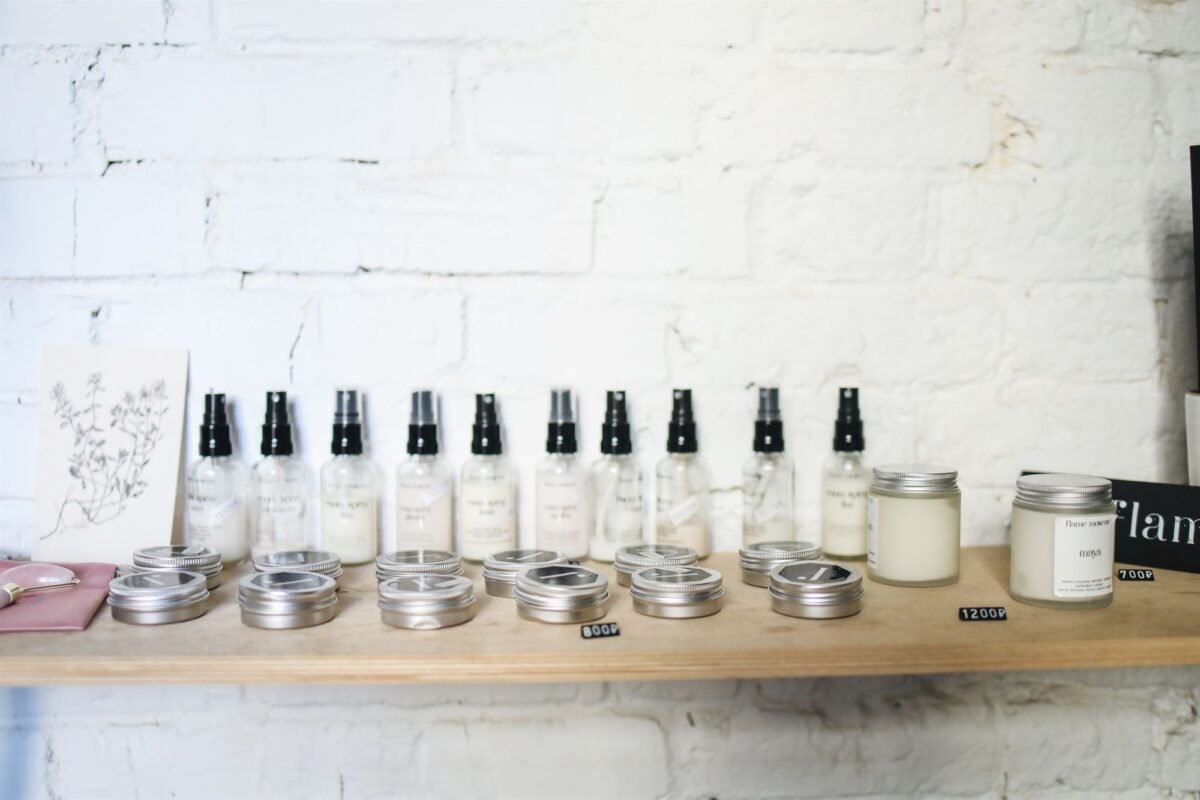
Decide what seasonal decorations you actually want to keep and store. Buying inexpensive décor repeatedly can create clutter and storage costs. Try rearranging what you own before purchasing more. If a new item fills a specific gap, compare its price and where it will live after the season ends.
8. Unfollow shopping accounts that trigger purchases
Mute accounts or emails that turn casual scrolling into shopping. You do not need to leave social media entirely. Replace some browsing time with activities that do not involve a checkout page. If you still want an item after several weeks, add it to your planned list and review the cost.
9. Borrow or rent occasional-use items
For a tool or event outfit you will use once, check whether borrowing is realistic. Factor in rental fees, deposits, travel and return deadlines. Sometimes buying an inexpensive durable item is cheaper than repeated rentals; compare total cost rather than following a rule blindly. Never borrow safety equipment that cannot be inspected properly.

10. Create an exception for work and health needs
A new job, changed body size, medical need or broken appliance can make a purchase necessary. Write these exceptions now so you are not negotiating with yourself during a stressful week. Budget for them where possible. A low-buy year should support your life, not prevent you from meeting basic responsibilities.
11. Keep gifts intentional
Set a realistic annual gift budget and list important occasions. Handmade, secondhand and experience gifts may work, but do not assume every recipient wants the same thing. Avoid buying extra items just because they are discounted. A gift is not more thoughtful because it costs more, and a low-buy rule should not become an excuse to ignore agreed family obligations.

12. Track what you buy and why
Record optional purchases with the date, price, category and whether you used the item. This is not a punishment ledger. It helps identify patterns such as buying when bored or duplicating things you already own. Include returns and fees so the record reflects actual money spent. A month with no purchases may be informative, but so is a month with one necessary exception.
13. Find non-shopping ways to celebrate
When you finish a difficult week, choose a reward that does not require a new object. A movie from the library, time outdoors or a favorite homemade meal can mark the occasion. Free activities still have possible transport or supply costs, so choose ones that fit your situation. The aim is to separate enjoyment from constant purchasing.
14. Review the rules every three months
Quarterly reviews catch rules that no longer fit. Look at actual spending, the number of useful purchases and any problems the restrictions caused. If you moved, changed jobs or welcomed a child, the plan may need substantial revision. Adjusting a rule is not cheating. It is evidence that you are using the budget to serve real needs.
15. Plan the end of the year before it arrives
Keep a list of postponed purchases and decide which still matter. Do not treat January 1 as permission for a shopping spree. Carry forward two or three rules that improved your finances without making life miserable. The point of a low-buy year is to develop judgment you can keep, not to collect a perfect score for twelve months.
A practical plan you can adapt
A useful low-buy agreement can fit on one page. Write the start and end dates, the categories you are limiting, the amount available for optional spending, the replacement rules and the exceptions. Add a short reason, such as ‘build a $500 repair buffer’ or ‘stop buying duplicate clothes.’ Make the reason specific enough to revisit when a tempting sale appears. If your finances are shared, discuss joint purchases and separate personal spending before setting restrictions.
Consider a hypothetical household that usually spends $75 monthly on optional clothing and décor. They set a $30 combined cap, but some months have no purchases and others include a necessary replacement. If spending averages $35 instead, the difference from the old baseline is $40 per month, or $480 over twelve months, assuming the original baseline was representative. That is a potential reduction in spending, not proof of cash saved. If the household spends the difference elsewhere, the bank balance will not rise by $480. Tracking both categories and account balances prevents exaggerated claims.
The hardest part is often deciding whether a purchase is a genuine need. A broken winter coat in a cold climate is different from wanting another coat because the color is popular. A replacement phone needed for work is different from an upgrade when the current one works. Your rules should allow these distinctions. If a restriction causes distress, conflict or skipped necessities, change it. Spending less is useful only when it improves your actual financial position and quality of life.
Questions readers ask
What is the difference between a low-buy and a no-buy year?
A no-buy year stops optional purchases in chosen categories completely. A low-buy year allows some spending in those categories, using caps, replacement rules and waiting periods.
What can I still buy during a low-buy year?
Essentials, replacements that meet your rules and anything paid for from your planned fun-money allowance. Write these exceptions down before you start.
What should I do when something I want goes on sale?
Add it to your dated wish list and wait out your waiting period. Buy it only if it is still on your list and fits your allowance. A sale price is not a reason on its own.
Write a low-buy agreement that leaves room for real life
Start with a short statement of purpose. ‘I want to stop buying duplicate clothes so I can build a repair fund’ is more useful than ‘I will buy nothing.’ Then list the categories covered, the replacement policy, the waiting period and any monthly spending cap. Write down exceptions for work, health, safety and important family commitments. Keep the agreement where you can check it before shopping, but do not turn it into a rulebook for controlling another adult’s purchases.
A low-buy plan should also say what happens when circumstances change. If you move to a different climate, your clothing needs may change. If your job requires new equipment, a purchase may be necessary. If an appliance fails, repair or replacement may be the sensible choice. You can update the rules at the quarterly review instead of treating every exception as a personal failure.
How to measure whether the year is working
Compare actual optional spending with a realistic baseline from previous months. If your usual spending fluctuates, average several months rather than picking an unusually expensive one. Record the number of items bought, but also whether you use them. A single durable purchase that solves a recurring problem may be better than three cheap substitutes. Do not call every unpurchased item a saving: you may never have bought it in the first place.
For example, imagine you used to buy $60 of décor and beauty extras each month. During the first quarter of your low-buy year, you spend $25, $0 and $40. Your three-month total is $65, compared with a $180 baseline, for a difference of $115. That is a reduction in spending in those categories, not necessarily a $115 increase in savings. If transport costs or other purchases rose, your overall cash position may have changed differently. Check the account balance as well as the category tracker.
Avoid the all-or-nothing trap
The most common problem with a strict rule is that one exception can make the entire plan feel pointless. A low-buy year is not a perfect streak. If you buy something outside the plan, record it and decide whether the rule needs clarification. Did you need a better replacement policy? Was the monthly allowance too low? Was the purchase tied to a real event? The answers help you build rules you can keep after the year ends. A plan that you can follow for twelve months imperfectly may change more than a harsh plan you abandon in February.
Your next step
Choose two categories and write one replacement rule today. Do not begin with fifteen restrictions at once. Use the first month to see whether the rules reduce unnecessary purchases without creating new problems.
Want a shorter test first? Try a no-spend month with a free calendar, or track your spending with the free Budget Starter Kit.