

January bills still need paying even during a no-spend challenge. The useful version pauses optional purchases while protecting groceries, transportation, medication and minimum debt payments.
Table of contents
- Start with the bills, not the rules
- Decide what counts as essential
- Choose three spending categories to pause
- Plan seven dinners from what you own
- Handle January clearance sales
- Set a rule for gift cards
- Keep a weekly spending record
- Plan free family activities
- Give unexpected expenses a place
- Calculate the amount actually saved
- Avoid replacing shopping with hoarding
- Carry one rule into February
- Questions people ask
- Write your allowed list tonight
Start with the bills, not the rules
Check your first two January paydays and list rent, utilities, food, transport and minimum debt payments. A no-spend month should never mean skipping necessary expenses.
Decide what counts as essential
Write an allowed list: groceries, prescriptions, childcare, fuel needed for work and bills. Adjust it for your household instead of copying someone else’s social media rules.
Choose three spending categories to pause
A practical starting point is takeout, new clothes and nonessential online orders. Pausing everything at once often creates problems if you have children or irregular work.
Plan seven dinners from what you own
Check the freezer and pantry before shopping. Build meals around ingredients you have, then buy fresh produce and other essentials needed to make them usable.
Handle January clearance sales
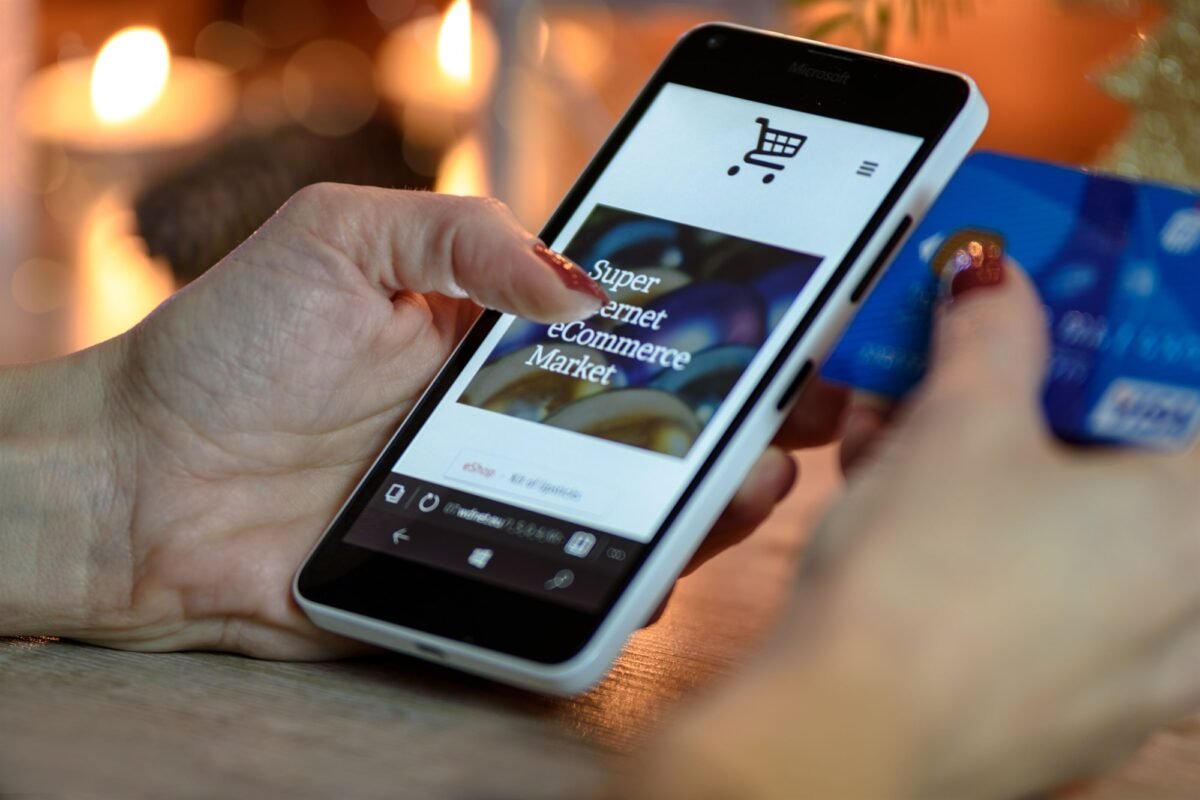
Unsubscribe from promotional emails or mute shopping notifications. A discounted purchase still costs money if it wasn’t in your plan.
Set a rule for gift cards
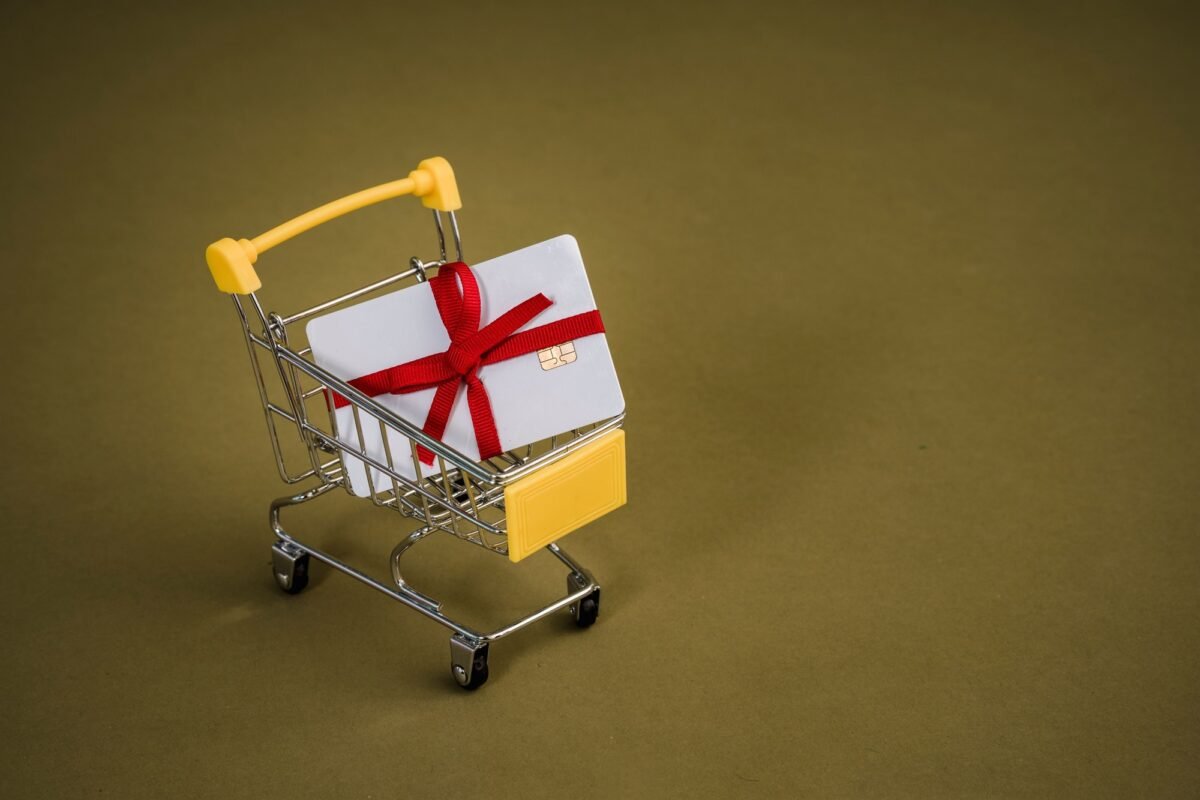
Decide whether gift cards can cover an essential purchase or are reserved for later. Avoid adding cash to a gift card just to use it up.
Keep a weekly spending record
Write each purchase, the category and whether it was allowed. Track what you actually did rather than turning a slip into a reason to abandon the month.
Plan free family activities
Use the library, local parks, board games and neighborhood walks. Check admission and transportation costs before calling an activity free.
Give unexpected expenses a place
Car repairs, a school requirement or a medical expense do not mean the challenge failed. Pay necessary costs and adjust the plan.

Calculate the amount actually saved
Compare real January spending with a realistic baseline. If you usually spend $90 on takeout and spend $20 this month, that category difference is $70, not a guaranteed increase in savings.
Use your actual receipts and bank transactions to judge whether this change helped. Keep exceptions for necessities and work-related expenses.
Avoid replacing shopping with hoarding
Buying a month’s worth of ‘just in case’ items in December only moves spending to another month. Buy what your household will actually use.
Carry one rule into February
Keep the rule that worked best, such as a 24-hour wait before nonessential purchases. A repeatable habit matters more than a perfect January.
Questions people ask
Can I still buy groceries during a no spend January?
Yes. Groceries, medication, bills and fuel for work stay on the allowed list. The challenge pauses optional purchases, not food on the table. Plan meals from what you already have first, then buy what you need to make them.
What if I slip and buy something on the paused list?
Write it down with the amount and keep going. One purchase does not cancel the month. Notice what set it off, such as a sale email or a tired evening, and plan around that next week.
Where should the money I don’t spend go?
Move it to savings on payday so it does not drift back into spending. If January bills are tight, it is fine to use it for an overdue essential bill instead.
Write your allowed list tonight
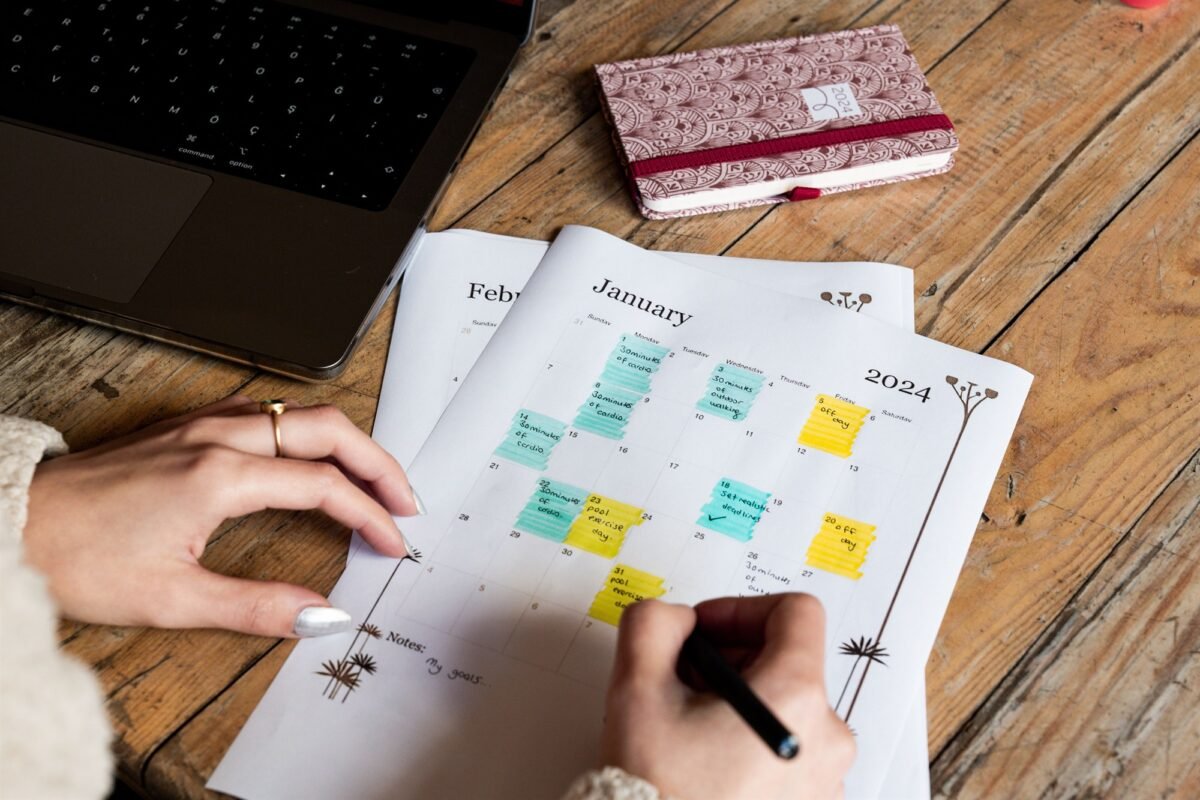
List the bills and essentials that stay on during January, then pick the three categories you will pause. Put your first weekly review on the calendar before January 1.
If you want a full money check first, work through this new year financial reset checklist, or pair the month with a small monthly savings challenge.