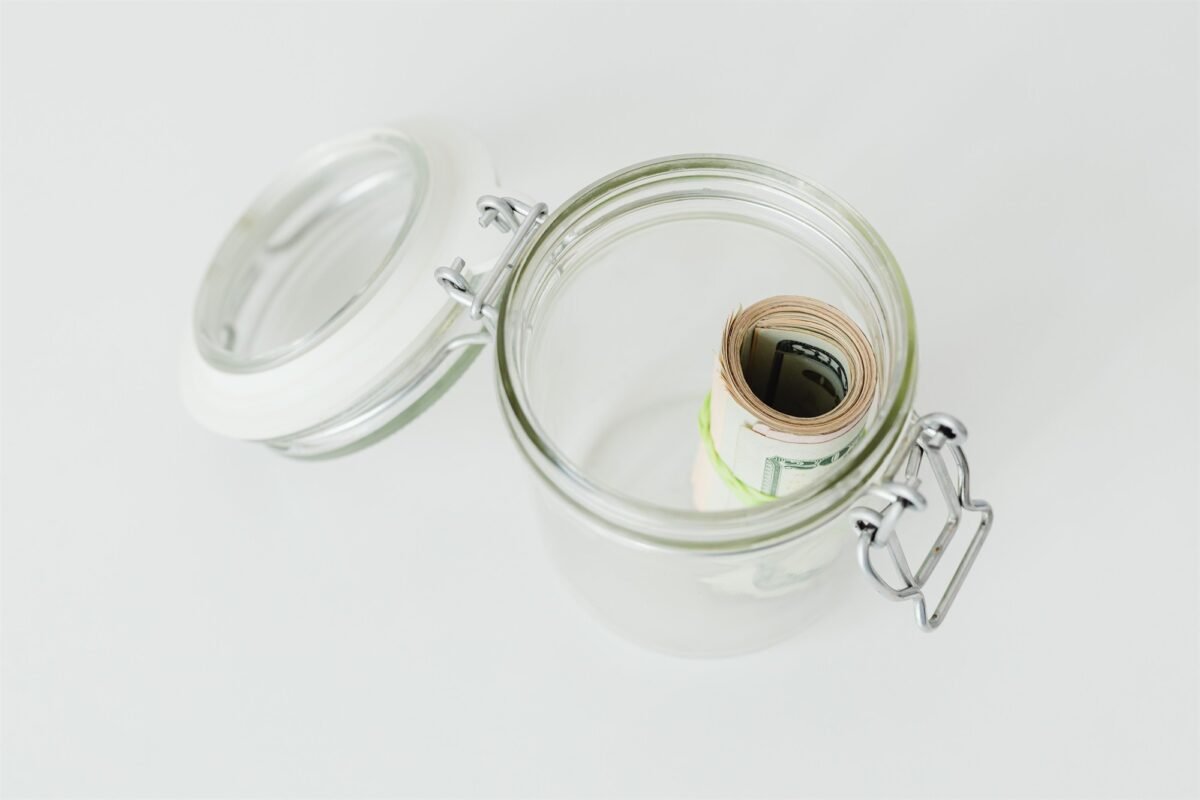
If you need an emergency fund quickly, start by finding cash you can keep, not by committing to an ambitious savings challenge. A first target of $100 or $250 may be more useful than an unreachable goal of several months’ expenses. The amount depends on what could go wrong in your household: a prescription, a flat tire, a utility bill or a missed shift.
Table of contents
A genuine emergency fund is money you can reach without selling an investment at a bad time, borrowing on a credit card or waiting weeks for a payout. It should be separate from money already assigned to rent, groceries and minimum debt payments. The following ideas combine immediate one-time actions with smaller ongoing changes. Not every option will fit every reader.
Choose the first emergency fund target
Write down the cost of the smallest unexpected expense that would currently force you to borrow. If a $180 repair would put you in trouble, $200 is a useful first milestone. Once you reach it, consider $500, then a month of essential expenses, and eventually a larger cushion if your circumstances allow. The often-mentioned three-to-six-month goal is a longer-term reference, not a prerequisite for getting started.
For example, a household with $2,100 in monthly essentials would need $6,300 for three months. That is a substantial goal. If only $15 per week is available, the first $300 takes twenty weeks without interest. The smaller target is still meaningful because it covers some common surprises.
Where to keep the money
An insured bank or credit union savings account with reasonable access and no avoidable monthly fees is a sensible starting point for many U.S. households. Check deposit insurance, withdrawal methods, minimum balances and transfer delays. Interest rates can change. A certificate of deposit with an early-withdrawal penalty is less convenient for cash you might need tomorrow.
If you keep a small amount of physical cash for outages, store it securely and remember that it can be lost or stolen. Do not leave a large emergency fund in an envelope at home merely because an online challenge recommends cash stuffing.
17 ways to find money for an emergency fund
1. Sell a useful item you no longer need
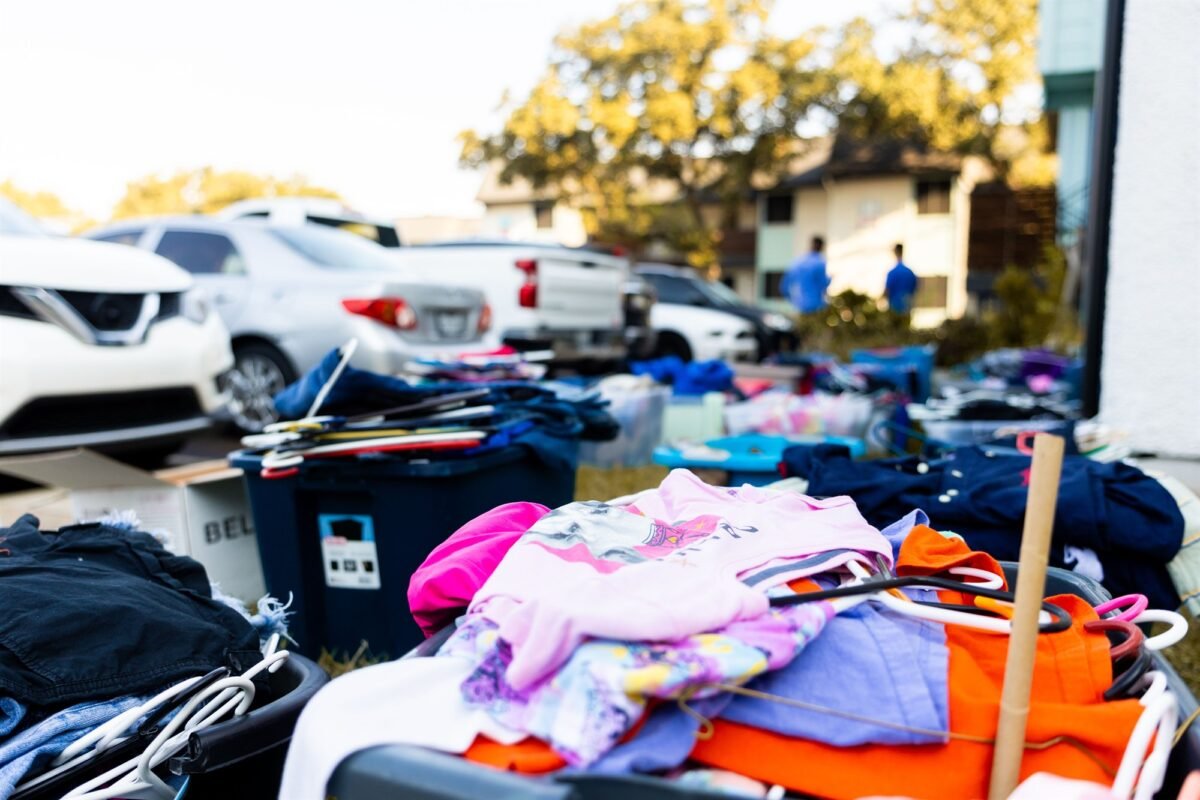
Choose one working item with a clear model number, such as a small appliance or unused desk chair. Check completed local listings before choosing a price, photograph its condition honestly and arrange a safe pickup. Count the proceeds after platform fees, shipping and replacement costs. Selling something you will need to buy again next month is not progress.

2. Return an eligible unused purchase
Check the receipt and store return policy before the deadline. A return may be refunded to the original payment method rather than immediately available cash. Once the refund posts, transfer the amount you can spare into savings. Do not count store credit as an emergency fund; you cannot normally use it to pay rent.
3. Pause one subscription
Open bank and card statements, not just the subscriptions page on your phone. Some services bill through a website or another family member’s account. Check renewal dates and cancellation terms, then confirm that the next charge stops. A canceled $12 monthly service frees up $144 across twelve months only if you do not replace it with something else.
4. Plan two low-cost dinners from your pantry
Check what you already own before grocery shopping. Rice, beans, pasta, frozen vegetables and canned tomatoes can form several meals, depending on dietary needs. Make a shopping list for missing ingredients and compare the total with what you normally spend. Savings are the actual difference, not the full price of a takeout order if you bought extra groceries.
5. Reduce takeout for one week
Look at the last month’s delivery and restaurant transactions. Choose a realistic reduction, such as one fewer order, rather than declaring all takeout forbidden. Account for grocery costs and delivery fees. If an order would have cost $26 and a replacement dinner uses $9 of ingredients, the estimated difference is $17, assuming those prices are accurate.
6. Check unused gift card balances
A gift card cannot usually be deposited as cash, but it may cover a necessary purchase at a store you already use. If a $20 grocery gift card replaces $20 of planned grocery spending, that may leave $20 of your cash available for savings. Do not make an unnecessary purchase just to use a card.
7. Ask about an available overtime shift
If your employer offers extra hours, ask how the shift is paid and whether it affects childcare, transportation or benefit eligibility. Work out the net amount after taxes and extra costs. Overtime is not guaranteed, and your emergency plan should not rely on hours that have not been offered.
8. Offer a small local service
Consider a task you can perform safely with tools you already own, such as organizing a garage, assembling basic furniture or helping someone pack. Agree on the scope, price and payment terms in writing. Check local licensing and insurance requirements where relevant. Avoid work involving electrical systems, roofing or other hazardous tasks without qualifications.
9. Sell unused hobby supplies
Craft materials, sports gear and instruments may have resale value if they are clean and complete. Bundle small items only when it makes sense for the buyer. Subtract shipping supplies, marketplace fees and fuel. A modest sale that clears clutter can be worthwhile, but it should not be described as guaranteed income.
10. Redirect a small weekly amount
After bills and groceries, choose an amount that can reliably stay in savings. Five dollars each week becomes $260 over 52 weeks, with no interest assumed. The amount can be smaller. The point is to stop making a savings transfer that causes an overdraft and then requires you to borrow the same money back.
11. Review bank account fees
Check statements for maintenance, overdraft and out-of-network ATM fees. Ask your bank about available fee waivers or compare accounts with clear terms. Changing banks takes time because direct deposits and automatic payments must be updated carefully. Avoid closing an old account before outstanding payments clear.

12. Use a windfall carefully
A cash gift, refund or one-time bonus may accelerate your first target. Confirm the money has arrived and consider upcoming bills before transferring it. A tax refund is not free extra money if you have an overdue car repair or essential expense waiting. Decide how much to keep liquid and how much to allocate to savings.
13. Review insurance deductibles and renewals
Compare policies before renewal, checking coverage limits, exclusions and deductibles as well as premiums. A lower premium with an unaffordable deductible can make an emergency harder. If a change truly lowers your payment without sacrificing necessary protection, consider transferring the difference each month.
14. Find an unused recurring purchase
Look for automatic deliveries, paid storage, duplicate cloud plans or recurring supplies you no longer need. Cancel only after checking whether a contract or termination charge applies. Track the actual payment that disappears from your statement. Money saved on paper does not help unless it remains in your account.
15. Take a short, legitimate paid project
Editing, tutoring, transcription or helping a small business organize data may fit existing skills. Agree on the deliverable, payment date and revision limits. Never pay a recruiter to access a job or deposit a check and send part of the money elsewhere. Record net income after fees, taxes and necessary supplies.
16. Set a small payday transfer
Schedule the transfer for after income is deposited and the most urgent bills are covered. If pay varies, use a manual check-in instead of an automatic amount that might overdraw the account. A separate savings account can help you see progress, but verify minimum balance rules, withdrawal access and fees first.
17. Use a 30-day cash-finding checklist
Choose three actions you can finish this week: list an unused item, cancel a charge and prepare a pantry meal plan. At the end of each week, write down cash actually received and charges actually avoided. Transfer only the amount that is still available after essential expenses. Review the target after thirty days rather than guessing how much you saved.
A sample 30-day emergency fund plan
Suppose a household wants its first $250 cushion. During week one, it sells a spare chair for $45 after fees. In week two, it receives a $30 eligible return. It avoids two optional $18 purchases in weeks three and four, but only $20 of that difference remains after necessary spending. It also sets aside $10 each payday across two paydays. The actual fund increase is $45 + $30 + $20 + $20 = $115, not $250. The household still needs $135. That honest gap is useful information, not failure.
A better tracker has columns for the date, source, expected amount, amount actually received or retained, and savings account balance. Do not enter a canceled subscription’s entire annual value on day one. If a $12 monthly charge stops, the available cash generally appears over the following months.
When to use the fund and when to leave it alone
An emergency is an urgent, necessary expense that you did not reasonably plan for: a medical copay, essential car repair or temporary income loss. A birthday, annual insurance premium or predictable holiday cost belongs in a separate sinking fund. You can still change the rules for your household, but define them before a tempting purchase appears.
If you use $80 from a $200 fund for an urgent repair, the new balance is $120. Your next target is to restore that $80 before expanding the goal. You do not have to replace it immediately if doing so would leave groceries unpaid.
Mistakes that make a fast savings plan backfire
Do not transfer bill money just to reach a round number. Avoid overdraft fees, payday loans and credit-card cash advances for the sake of a savings challenge. Check whether a gig has equipment, travel or tax costs before treating gross pay as savings. And do not count items listed for sale until the buyer has paid.
If your income is unstable, it may be more practical to keep the fund target small while addressing overdue essentials and seeking available assistance. An emergency fund is meant to reduce financial stress, not become another bill.
Frequently asked questions
How much should I save first?
Start with a specific, reachable expense such as $100, $250 or $500. Choose based on your actual bills and the emergencies you are most likely to face.
Should I save while paying off debt?
There is no single answer for every interest rate and household. Keep required payments current and consider a small cash buffer so a minor surprise does not force more borrowing. High-interest debt may deserve priority after that initial cushion.
How can I save on irregular income?
Review cash flow after each payment arrives. Cover essentials, then transfer an affordable amount. A percentage may work better than a fixed transfer, but skip it when cash is genuinely short.
Is a high-yield savings account necessary?
No. Access, deposit insurance and avoiding fees matter more than chasing a small rate difference on your first few hundred dollars. Compare terms before opening an account.
Start with one useful action
Write your first target and today’s available balance. Then choose one action that can put actual cash into savings this week. The goal is not to finish all seventeen ideas. It is to have a little more money available when something unexpected happens.
Once you have a starter cushion, keep it growing with the 52-week money challenge or a no-spend month.