

You can plan a kids birthday party on a budget by keeping the guest list small, using a place you already have access to, and choosing one activity your child cares about. For a party under $100, food and cake come before matching decorations. A fun afternoon doesn’t need a rented venue and twenty little bags of plastic toys.
Table of contents
The plan below is for eight children, including the birthday child, and four adults at home. It includes a light meal, cake, activities, basic supplies and a reserve for tax or forgotten items. The amounts are spending limits, and prices at your store may differ. Check your local cart before inviting people. The birthday present is separate from this party budget.
Pick a few ideas from the list. You aren’t supposed to buy supplies for all twenty-five. Several choices replace each other, especially the games and favors.
Start with an $89 party plan
Here is how the money splits up:
| Party cost | Spending limit |
|---|---|
| Main food | $24 |
| Fruit and vegetables | $12 |
| Cake ingredients | $10 |
| Drinks | $4 |
| Serving supplies | $5 |
| Decorations | $4 |
| One activity | $6 |
| Transport or a small supply gap | $8 |
| Reserve for tax, price differences and mistakes | $16 |
| Total | $89 |
That leaves another $11 before you reach $100.
That reserve matters. If your actual food cart is $10 higher, you still have a workable party. If the total passes $100, reduce the guest count or simplify the menu before checking out. Don’t quietly treat pantry ingredients, parking or delivery as free. The home venue, kitchen equipment, chairs, music player and reusable games are existing resources in this example; renting or buying them would change the plan.
Choose the party’s size and shape
1. Invite a small group your child enjoys
Ask your child for a few names before discussing decorations. Eight children can share one activity table and a manageable amount of food. Count accompanying adults and siblings explicitly, because they also need space and refreshments. A friendly invitation can say who is invited and ask parents to confirm attendance. Check school invitation rules if distributing invitations through a classroom.
2. Put a clear start and finish on the invitation
A two-hour party can have enough time for a game, food, cake and relaxed play. Try an afternoon window with a clearly described light meal or snacks, so parents know what to expect. Don’t schedule over dinner and serve only cake without saying so. A defined end also helps you plan supervision and avoid stretching food across an entire day.
3. Use home as the venue when it fits
Clear one room rather than decorating the whole house. Move breakable objects, decide where coats go and leave a clear route to the bathroom. An apartment party can work with drawing, building and music games that don’t involve running. If home is too small, ask about a genuinely available shared space; permission, rental fees and cleanup rules belong in the decision.
4. Treat a park as a checked option
A public park isn’t automatically a free party venue. Before using one, check the park’s official reservation rules, group limits, shelter fees and food restrictions. Toilets, shade and an indoor weather backup also matter. If a reservation plus transport uses most of the budget, home may be cheaper. Don’t announce a park party until you know you can use the space.
5. Build the theme around an interest
Choose dinosaurs, space, drawing, soccer or a favorite color instead of buying a licensed party collection. A space party can use paper stars and a cardboard rocket target. A soccer afternoon can use the ball your child already owns. Ask what part of the theme your child actually wants. It may be the game rather than the branded plates.
Make simple food feel like party food
6. Serve one main dish
Pick a meal you can prepare confidently, such as pasta with sauce, bean quesadillas or a baked potato bar. For this example, the main-food envelope is $24 for twelve guests eating a light meal. Check quantities against the actual ages and appetites coming. Avoid promising that one box of pasta feeds everyone. Keep a little unserved food available for seconds rather than placing everything out at once.
7. Offer toppings separately
Plain pasta with sauce alongside it is easier to adapt than a large mixed dish some children won’t touch. The same approach works for potatoes and rice bowls. Limit the topping choices to two or three so flexibility doesn’t become a second grocery bill. Ask parents about allergies beforehand, retain ingredient labels and avoid promising that a shared home kitchen is allergen-free.
8. Choose a cake you already know how to make
A familiar sheet cake usually creates less work than an elaborate shaped cake. The $10 cake allowance must cover every ingredient you need to purchase, plus frosting and candles. Price the whole shopping list, including eggs or oil if you don’t have them. If a ready-made cake is cheaper locally, use it. The point is staying within your actual total, not proving you can bake.
9. Use cupcakes as the serving shortcut
Cupcakes can replace the sheet cake if you already own a pan. Count enough for everyone and a couple of extras, then compare the ingredient and liner costs. Avoid buying a stand just for the display; a clean platter works. Let the birthday child choose one frosting color. A simple batch is easier to serve than a decorating contest requiring separate bags of sweets.

10. Make water the main drink
Set out drinking water and reusable cups you already own. If you add another drink, put its full purchase price inside the $4 drinks envelope. Mark cups with names to reduce replacements. An outdoor party may need ice, a cooler and more water than an indoor one, so price those before committing. Keep hot drinks and their cords away from the children’s activity area.
11. Pick one fruit and one crunchy side
Spend the $12 produce allowance on a short list rather than a large decorative platter. Choose what looks good and costs less in your own store, wash it and prepare age-appropriate pieces. Offer familiar vegetables with a small dip if suitable. Don’t buy extra fruit solely to create an elaborate animal shape. Serving bowls and a straightforward arrangement are enough.
12. Make food timing part of the plan
Prepare shelf-stable supplies early, but keep perishable food properly chilled until serving. USDA guidance says to refrigerate perishables within two hours, or within one hour when temperatures are above 90°F. Use small serving portions and replenish them. A party timeline is helpful here: food out, cake served, leftovers packed. It protects the food budget as well as the guests.
Use games that work with what you own
13. Play freeze dance
Choose a few suitable songs and clear a safe dancing space. When the music stops, everyone freezes. Let children who don’t want to dance control the music or choose the next pose. Skip elimination if it leaves the same children sitting out. This uses an existing speaker or phone, and it works best as a short burst rather than the entire party’s entertainment.
14. Run a picture scavenger hunt
Draw six objects for children to spot, such as a red cushion, a leaf or a square window. Keep the search inside a defined, supervised area. Younger guests can work with an adult; older children can solve written clues. Use objects already present rather than buying a treasure chest of prizes. Give everyone the same small finishing celebration so the game doesn’t depend on who reads fastest.
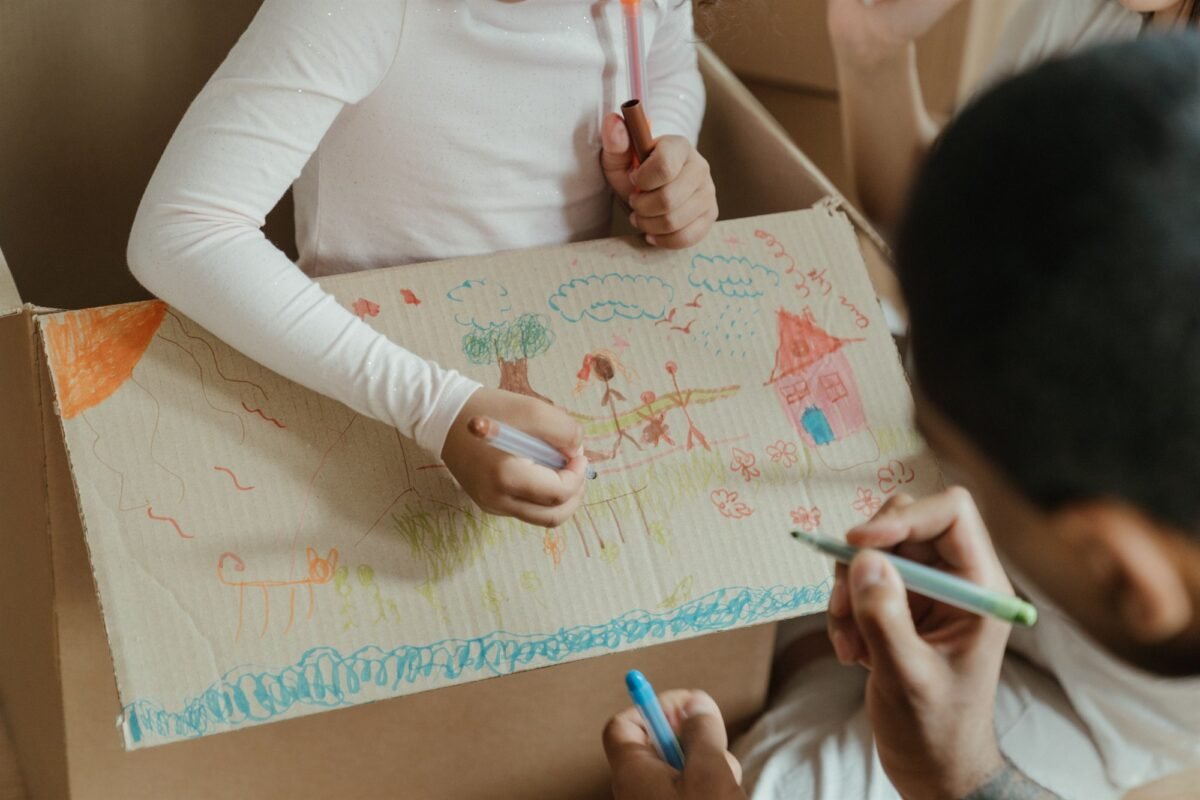
15. Build a cardboard challenge
Offer clean boxes, paper and washable markers for building a town, creature or spaceship. Remove staples, sharp edges and packaging ties first. Adults handle any cutting that needs a sharp tool. Put a time limit on the building stage, then invite children to show their creations. The boxes become the activity and some of the decoration without requiring a separate craft kit for each guest.
16. Set up a drawing station
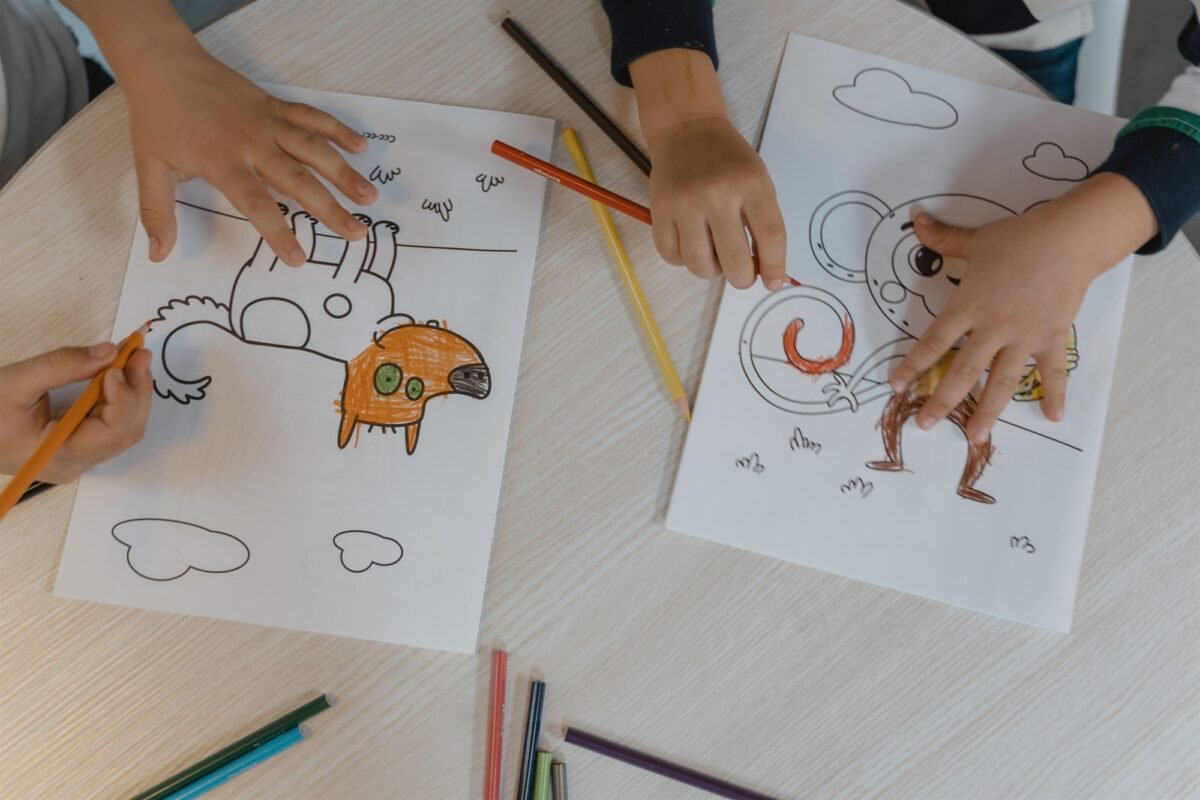
Use paper and crayons already at home, or spend part of the $6 activity allowance on a shared supply. Give an optional prompt: draw a silly birthday cake or invent a pet. Children can keep their picture as a favor. Protect the table with something you own and choose washable materials. Don’t buy new art equipment just because a Pinterest photo uses matching paint palettes.
17. Try a sock toss
Roll clean socks into soft balls and aim at a laundry basket. Move the basket closer or farther away to suit each child. You can make it cooperative by seeing how many throws the group lands together. Keep the area clear and avoid throwing toward faces, windows or pets. It offers an indoor option when the weather cancels outdoor plans.
18. Bring out one shared game
A familiar board game, building set or simple group guessing game can fill the quieter part of the party. Check that it suits the number and ages of the guests before the day arrives. Put tiny pieces away when younger children are present. If the game only fits four players, have a second activity available so half the party isn’t waiting for a turn.
19. Have a short story or show-and-tell break
After active games, let children share something they made or listen to a short story connected to the theme. This creates a calmer transition before cake. Participation can be optional; being asked to perform isn’t fun for every child. Use a book you own or have already borrowed. A library loan is useful only if you can get and return it without adding a costly trip.
20. Ask a willing adult to lead one activity
A relative who enjoys drawing or games might happily lead ten minutes of fun. Ask in advance and give them a clear, small job. Don’t assume a guest will supervise everyone while you cook. Identify which adults are responsible for children, who handles arrivals and who manages food. Free entertainment still needs planning, especially when the group includes different ages or support needs.
Keep extras from taking over
21. Decorate one focal point
A paper banner above the cake table can make the space feel festive without filling every wall. Use the $4 decoration allowance for materials that make the biggest visible difference. Reuse a tablecloth if you have one. Keep cords, hanging decorations and small parts out of reach of younger guests. Photos can look cheerful with a plain wall and a small patch of color.

22. Borrow before buying serving pieces
Ask for a platter, cake knife or a few chairs only when you know you’ll need them. Arrange pickup and return so borrowing doesn’t become a series of extra journeys. Check that everything is clean and suitable for the food you’re serving. A borrowed serving bowl can replace a purchase; borrowing twenty themed props usually adds more coordination than the party needs.
23. Let a finished activity be the favor
A drawing or cardboard creation can go home with its maker. That avoids buying both an activity and a goodie bag. If the project is too large to carry, offer a photograph instead. You can also skip favors altogether and thank children warmly at the door. Don’t tell parents to expect a take-home item unless it is actually included in your plan.
24. Send a simple digital invitation
A text or email can include the date, address, time, invited child’s name and RSVP request. Add the food plan and any useful access details. You don’t need a paid invitation subscription. Send addresses privately and avoid sharing guest contact information in an open group without asking. A short reminder to confirmed families is more useful than buying matching printed stationery.
25. Stop shopping when the plan is complete
Once the food, cake and activity are covered, stop browsing for additions. A last-minute $3 item seems small until it joins six others. Keep the $16 reserve untouched until you know the checkout total and practical gaps. Write down actual spending after the party, including transport. Next year you’ll have your own useful baseline rather than someone else’s aspirational photograph.
Put the afternoon on one page
Two weeks ahead, settle the guest count and venue. About a week ahead, confirm attendance, allergies and the shopping list. The day before, clear the room, check the game materials and prepare anything that can be stored safely. On party day, keep cold food cold and leave yourself time to greet families.
A workable two-hour sequence is fifteen minutes of arrivals and drawing, twenty minutes of active play, twenty minutes for food, another twenty-minute activity, fifteen minutes for cake and thirty minutes of relaxed play and departures. Change it when the children need a quieter break. A schedule helps the adults; it doesn’t have to feel like a timetable to the guests.

Common party-budget questions
Does under $100 include everything?
The sample includes the party’s purchased food, cake, drink, basic serving supplies, decorations, activity materials, transport allowance and contingency. It assumes access to a home and existing equipment. It doesn’t include the child’s birthday gift or a hired venue. If your situation requires either, build a new total rather than using the headline as a guarantee.
What if I can spend only $40?
Invite fewer people and choose a shorter cake-and-games gathering between meals, clearly described on the invitation. Price the cake and drinks first, then use activities you already have. A smaller celebration is easier to keep honest than a larger party whose hidden costs land on next month’s bill.
How do I handle extra siblings?
Decide what your space and supervision allow, then tell families kindly before the day. If siblings can attend, include them in the food and activity quantities. If they can’t, make that clear privately. Guessing at the last minute can leave both hosts and guests uncomfortable.
Ask your child to choose the cake and one activity today. Those two decisions give you a useful starting point. Save this plan on Pinterest so the budget is easy to find when invitations and shopping start competing for your attention.
For more low-cost family fun, try these free winter activities for kids, borrow a few tricks from our Dollar Tree decor ideas, or plan the food from these cheap family dinners.