

Frugal living works best when you focus on the bills and purchases that repeat. Canceling a subscription you don’t use, planning around food already in the fridge and avoiding a late fee can make a real difference. None requires a perfect spreadsheet or an extreme no-buy challenge.
Table of contents
These 101 ideas are grouped by groceries, bills, shopping, family routines and money habits. Choose a few that fit your household. A change that saves a dollar but takes an hour of extra work may be less useful than one that takes five minutes and keeps working next month.
Start with the expenses you can actually change
Look at last month’s transactions. Housing and medical costs may be hard to adjust quickly, but unused subscriptions, food waste and last-minute convenience purchases can offer a starting point. Record your current spending before making changes, so you can tell whether the new habit helps.
Groceries
1. Check your pantry first
Look through the cupboards, fridge and freezer before you write a shopping list. You’ll avoid buying duplicates and use food before it expires.
2. Plan four dinners before shopping
Pick four dinners for the week and list only the ingredients they need. Leftovers and simple meals can cover the other nights.
3. Write a short grocery list
A short list keeps you focused and makes impulse buys easier to spot. Group items by store section so you get in and out faster.
4. Compare unit prices
Shelf tags show the price per ounce or per count. Compare those numbers, not the package price, to see which size is really cheaper.
5. Buy store brands when they taste good
Store brands often cost less than name brands for basics like flour, canned goods and cereal. Switch one item at a time and go back only if you don’t like it.
6. Use frozen vegetables
Frozen vegetables keep for months and often cost less than fresh ones out of season. Use what you need and put the bag back in the freezer.
7. Freeze bread before it goes stale
Bread kept in the freezer stays fresh much longer. Take out slices as you need them and toast them straight from frozen.
8. Cook one double batch
Make twice as much soup, chili or casserole and freeze half. A ready meal in the freezer makes takeout less tempting on busy nights.
9. Pack leftovers for lunch
Pack last night’s dinner for lunch instead of buying food out. Portion leftovers into containers right after dinner so they’re ready to grab.
10. Make one meatless dinner
Beans, lentils and eggs usually cost less than meat. Swap in one meatless dinner a week to lower your grocery bill.
11. Use dry lentils for soup
Dry lentils are inexpensive and cook in about 20 to 30 minutes without soaking. Add them to soups and stews to stretch a meal.
12. Compare bulk and small packages
Bulk packages are only cheaper if you use everything before it spoils. Compare unit prices and check your storage space before buying big.
13. Skip single-serve snack packs
Single-serve bags cost more per ounce than a large bag. Portion snacks into reusable containers at home instead.
14. Bring a reusable water bottle
Fill a reusable bottle at home instead of buying bottled water. It also cuts down on stops for drinks when you’re out.
15. Make coffee at home
Brewing coffee at home costs much less per cup than a coffee shop. Keep a travel mug by the door so it’s easy to take with you.

16. Check grocery receipts
Look over your receipt before you leave the store. Pricing mistakes and missed coupons are easier to fix at the register.
17. Keep a freezer inventory
Keep a list of what’s in your freezer on the door or your phone. You’ll use food before it gets freezer burn and avoid buying more of the same.
18. Rotate pantry stock
Move older items to the front of the pantry when you put groceries away. Using the oldest food first cuts waste.
19. Shop seasonal produce
Fruits and vegetables in season are usually cheaper and taste better. Build meals around what’s on sale this week.
20. Use loyalty offers only for planned purchases
Store apps and loyalty cards can save money, but only on things you already planned to buy. Ignore offers that push you to spend more.
21. Choose pickup when it reduces impulse buys
Ordering groceries for pickup means less wandering past displays. Check for pickup fees and order minimums first.
22. Plan a pantry-only dinner
Once a week, make dinner only from what you already have. It uses up odds and ends and stretches the grocery budget.
23. Store produce properly
Storing produce the right way helps it last. Keep greens dry in a lidded container, and store onions and potatoes separately in a cool, dark place.
24. Share a large package with family
Split large packages of meat, produce or paper goods with family or friends. You get the bulk price without the waste.
25. Set a weekly food-waste check
Once a week, note what food you threw away and why. It shows you what to buy less of next time.
Bills
26. Cancel an unused subscription
Check your bank statement for subscriptions you no longer use. Cancel them and note the date so you can confirm the charge stops.
27. Compare phone plans
Compare your phone plan with prepaid and smaller carriers that run on the same networks. Check how much data you actually use first.
28. Review internet pricing
Call your provider to ask about current promotions, or compare other providers in your area. Make sure the speed still fits how your household uses the internet.
29. Check utility usage
Look at the usage on your bill, not just the total, to see what changes month to month. Many utilities offer free online tools to track it.
30. Seal drafts safely
Close gaps around doors and windows with weatherstripping or a door sweep. Leave vents and air intakes for heating equipment clear.
31. Use an appropriate thermostat schedule
Lower the temperature at night and while you’re away, if it’s safe for your household. A programmable thermostat makes it automatic.
32. Wash full laundry loads
Run the washer with full loads to use less water and energy per item. Cold water works well for most everyday laundry.
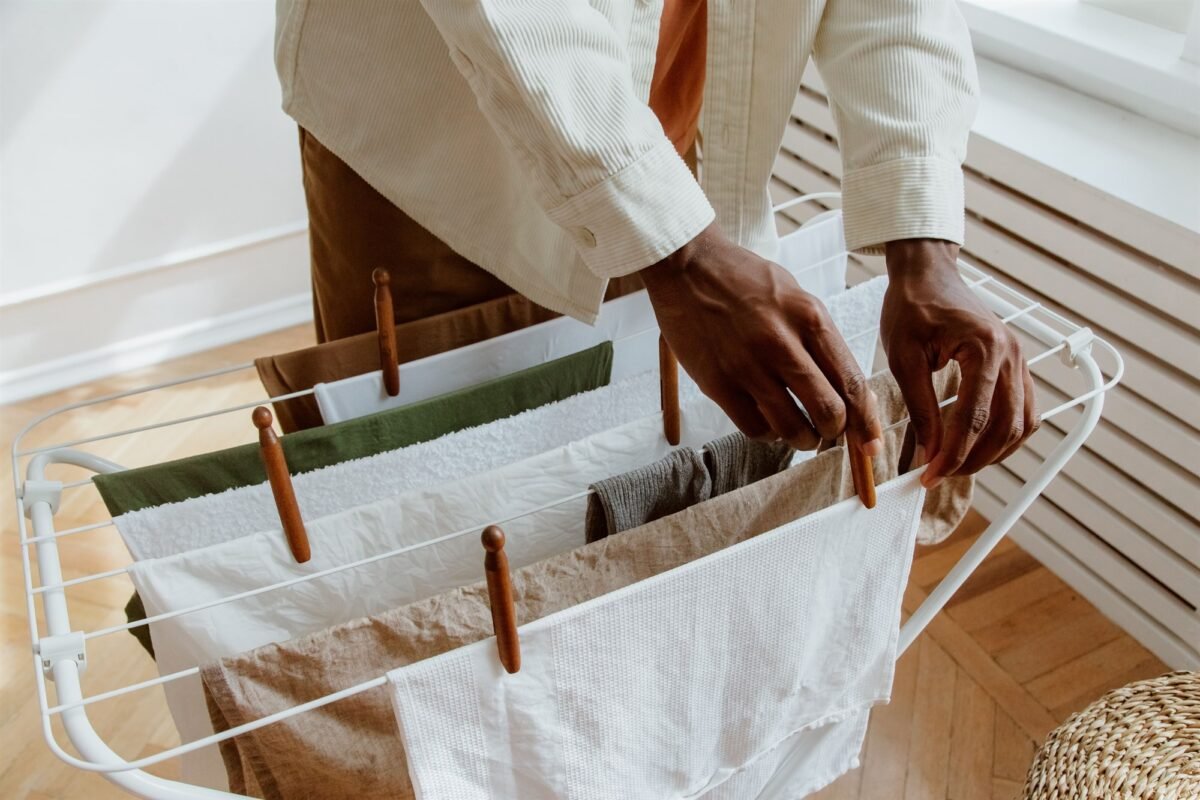
33. Air-dry suitable clothes
Hang clothes on a rack or line when you can. Air-drying saves energy and is gentler on fabrics.
34. Fix dripping taps
A dripping faucet wastes water all day. Many leaks are fixed by replacing an inexpensive washer or cartridge.
35. Turn off unused lights
Switch off lights in empty rooms. Make it a habit for whoever leaves a room last.
36. Choose LEDs when bulbs fail
When an old bulb burns out, replace it with an LED. They use less energy and last much longer.
37. Clean dryer lint screens
Clean the lint screen before every load. It helps the dryer work efficiently and lowers fire risk.
38. Keep vents clear
Keep furniture and rugs off heating and cooling vents. Blocked vents make your system work harder.
39. Review bank fees
Check your statement for monthly maintenance, overdraft and other fees. Ask how to avoid them, or look for a fee-free account.
40. Avoid ATM charges
Use your own bank’s ATMs or get cash back at a store checkout. Out-of-network ATM fees add up quickly.
41. Ask about energy assistance
Many utilities and states offer energy assistance to eligible households. Ask your utility or local community action agency what’s available.
42. Review insurance at renewal
Compare quotes from other insurers before your policy renews. Match the coverage and deductibles so you’re comparing the same thing.
43. Check automatic payment dates
Line up automatic payments with your paydays so bills don’t come out before money arrives. Many companies let you change the due date.
44. Avoid late fees
Set calendar reminders, or turn on autopay for bills you can always cover. Late fees are one of the easiest costs to avoid.
45. Use library books
Borrow books, audiobooks and movies from the library instead of buying them. Many libraries also lend e-books through free apps.

46. Borrow rarely used tools
Borrow a drill or ladder from a neighbor, or check whether your library lends tools. Buy only the tools you’ll use often.
47. Repair small items
Glue a loose handle, tighten a wobbly chair or patch a small tear before replacing anything. Free online repair guides cover many common fixes.
48. Check warranty coverage
Before paying for a repair, check whether the item is still under warranty. Keep receipts and manuals together so they’re easy to find.
49. Use reusable cleaning cloths
Use washable cloths instead of paper towels for most cleaning. Old T-shirts and towels make good rags.
50. Read cleaner dilution directions
Concentrated cleaners often need diluting before use. Using the right amount makes the bottle last longer and avoids sticky residue.
Shopping
51. Wait a day before optional purchases
Wait at least 24 hours before buying anything you didn’t plan for. Many urges pass once you’ve slept on it.
52. Keep a wish list
Add wants to a list with the date. If you still want the item after a few weeks, plan for it in your budget.
53. Buy secondhand children’s clothes
Kids outgrow clothes quickly, so secondhand pieces often get plenty of use. Check thrift stores, consignment sales and hand-me-downs from friends.
54. Read return policies
Check return windows and restocking fees before buying, especially online. A good return policy lowers the cost of a wrong choice.
55. Compare checkout totals
Compare the final price, including shipping and tax, between stores. The lowest sticker price isn’t always the cheapest total.
56. Skip unnecessary free-shipping fillers
Don’t add items you don’t need just to reach free shipping. Paying a small shipping fee can cost less.
57. Use cashback only for planned buys
Cashback apps and cards only help when they reward purchases you already planned. Don’t let them be the reason you shop.
58. Try thrift shops for basics
Thrift shops often have basics like jeans, coats and kitchen items for less than new. Check seams, zippers and stains before you buy.

59. Mend loose buttons
Sewing on a loose button takes a few minutes and saves a favorite shirt. Keep a small kit with needles and thread handy.
60. Make outfits from existing clothes
Mix and match what’s already in your closet before buying anything new. Try new combinations with pieces you already own.
61. Choose versatile shoes
A few comfortable, neutral pairs of shoes can cover most occasions. Choose pairs you’ll wear often.
62. Sell unworn items
Sell clothes with tags still on, or items you’ve never worn, through a resale app or consignment shop. Put the money toward things you actually need.
63. Set a gift budget
Decide how much you’ll spend on each person before you shop. Write it down and keep the list with you.
64. Reuse gift bags
Save gift bags, tissue paper and ribbon to use again. Store them flat in one place so you remember to use them.
65. Cancel unused subscription boxes
Subscription boxes add up month after month. Cancel the ones you don’t fully use.
66. Compare sale prices
Track the price of things you want before and during a sale to see if the discount is real. A sale only saves money on something you planned to buy.
67. Buy durable everyday essentials
For things you use every day, like a backpack or skillet, a sturdier item may cost less over time. Compare reviews and warranties.
68. Skip trend-based decor
Trendy decor goes out of style quickly. Spend on pieces you’ll like for years and update with things you already own.
69. Keep a household size list
Keep everyone’s clothing and shoe sizes in a note on your phone. You’ll avoid wrong sizes and returns.
70. Avoid duplicate kitchen gadgets
Before buying a new kitchen tool, check whether something you own can do the job. Fewer gadgets also means less clutter.
Family
71. Plan free weekend activities
Plan weekend outings around free activities like parks, trails and community events. Check local event calendars early in the week.
72. Check library events
Libraries host free story times, crafts, movies and classes for kids and adults. Check the schedule each month.
73. Pack snacks for outings
Bring snacks and water on outings instead of buying them. Pack them the night before so you don’t forget.
74. Visit public parks
Parks offer playgrounds, trails and picnic areas at no cost. Many also host free events in warmer months.

75. Swap children’s books
Trade books with friends, neighbors or school families. Little free libraries nearby are another option.
76. Limit birthday spending
Set a budget for birthday parties before you start planning, and keep the guest list small. Kids often enjoy simple games as much as paid venues.
77. Host a potluck
Ask each guest to bring a dish instead of cooking the whole meal yourself. It shares both the cost and the work.
78. Try a home movie night
Stream something you already pay for or borrow a movie from the library. Make popcorn at home for a cheap night in.
79. Use free learning resources
Libraries and many websites offer free courses, practice worksheets and educational videos. Use them for homework help or learning a new skill.
80. Combine errands
Plan errands into one trip along one route. You’ll use less gas and spend less time driving.
81. Keep a car maintenance calendar
Keep track of oil changes, tire rotations and inspections. Regular maintenance can prevent bigger repair bills.
82. Walk short trips safely
For short distances, walking can replace driving when it’s safe. It saves gas and parking costs.
83. Compare transit costs
Compare the cost of a bus or train pass with gas and parking for your regular trips. Some employers offer transit benefits.
84. Plan school lunches
Plan school lunches for the week and buy the ingredients in larger packages. Packed lunches often cost less than buying them every day.
85. Label school supplies
Label backpacks, jackets and supplies with your child’s name. Labeled items are more likely to come back home.
86. Keep a household calendar
Track appointments, activities and bill due dates on one shared calendar. Seeing busy weeks ahead helps you plan meals and spending.
87. Choose low-cost traditions
Choose holiday traditions that cost little, like baking together or a walk to see lights. Kids often remember the time together more than the price.
88. Rotate toys
Put some toys away and swap them out every few weeks. Old toys feel new again, so you buy fewer.
89. Use a shared shopping list
Keep one shared shopping list on everyone’s phone so items get added as they run out. It prevents duplicate purchases and extra trips.
90. Try a no-spend afternoon
Spend one afternoon a week doing only free things at home or nearby. It helps everyone get used to having fun without spending.
Money habits
91. Track spending for two weeks
Write down everything you spend for two weeks. It shows where your money actually goes, which is the first step to changing it.
92. Write down bill due dates
List every bill with its due date in one place. Seeing them together helps you plan around paydays.
93. Start a small emergency fund
Start with a small goal, like $100, and add to it when you can. Even a little cushion helps with surprise costs.
94. Save for annual expenses
Divide yearly bills, like car registration or insurance, by 12 and set that amount aside each month. The bill won’t come as a surprise.
95. Review transactions weekly
Look at your bank account once a week to catch mistakes, fraud or forgotten charges. It only takes a few minutes.
96. Separate wants and essentials
Before buying, ask whether something is a need or a want. Wants can wait until essentials are covered.
97. Set an affordable transfer
Set up an automatic transfer to savings on payday, even if it’s small. Raise it when your budget allows.
98. Use cash envelopes if helpful
Some people spend less when they pay with cash for groceries or fun money. Put each category’s budget in its own envelope.
99. List all debts
Write down every debt with its balance, interest rate and minimum payment. You’ll see which one costs you the most.
100. Turn on balance alerts
Turn on alerts for low balances and large purchases in your banking app. They help you avoid overdrafts and spot fraud.
101. Check paycheck deductions
Review each pay stub for correct hours, taxes and deductions. Report any mistakes to your employer quickly.
How to measure savings without fooling yourself
Suppose you cancel a $10 monthly service, avoid a $20 optional purchase and reduce food waste by $15. If all three changes leave money in your account, that’s $45 for the month. But if you spend $12 on replacement supplies, the difference is $33. Keep the math tied to your own transactions instead of treating every tip as a guaranteed savings figure.
A simple notebook works: write the old cost, new cost and the date. Check it again after thirty days. You may find that some changes save money only once, while others reduce a bill every month. Both can help, but they shouldn’t be counted the same way.
What isn’t worth cutting
Don’t skip necessary medicine, safe home heating, insurance coverage or important car maintenance just to hit a savings goal. A missed repair can cost much more later. Start with optional spending, wasted food and charges for things you no longer use. If basic bills are unaffordable, look into assistance or payment arrangements rather than trying to solve the problem through coupons alone.
Frequently asked questions
How do I start living frugally with kids?
Choose one grocery habit, one bill to review and one free family activity. Keep the changes simple and include the people who will use them.
Is bulk buying always better?
No. Compare unit prices and consider whether you’ll use the full package before it spoils. Smaller quantities can be cheaper overall when they prevent waste.
Should I stop buying every treat?
No. Decide what matters to your family and cut purchases you don’t value first. A budget that leaves room for modest enjoyment is easier to follow.
Which habit saves the most money?
That depends on your current spending. A large unused subscription can matter more than small grocery swaps. Check your statements before choosing where to focus.
Try three tips this week
Choose one from groceries, one from bills and one from shopping or family life. Test them for a month and keep what works. A few repeatable habits will do more for your budget than trying all 101 at once.
Put what you save to work: track it with the free Budget Starter Kit or try a no-spend month.