

A no-spend challenge is a temporary pause on optional purchases, not a ban on paying for necessities. The useful version has written rules, clear exceptions and a way to track what you actually spend. It should help you understand your habits without pushing bills or needed purchases into a more expensive problem.
Table of contents
- 1. Define exactly what no spend means for your household
- 2. Pick a time period you can finish
- 3. Make an allowed and paused category list
- 4. Look at your pantry before meal planning
- 5. Prepare for social invitations without disappearing
- 6. Remove the easiest shopping triggers
- 7. Use the calendar to record actual decisions
- 8. Set a plan for returns and gift cards
- 9. Handle emergencies without breaking the purpose
- 10. Calculate savings against a realistic baseline
- 11. Prevent rebound spending after the final day
- 12. Review what the calendar taught you
- A practical plan you can adapt
- Questions readers ask
- Example rules you can copy and change
- What to do after an unplanned purchase
- Keep the calendar honest
- Your next step
1. Define exactly what no spend means for your household
A no-spend month usually means pausing discretionary purchases, not refusing to pay bills. Write an allowed list before you begin: rent, utilities, food, prescriptions, childcare, necessary transport, insurance and minimum debt payments are common examples. Your list may also need school costs, pet care or accessibility expenses. The rule is not universal. A household with a baby needs different exceptions from a single adult working from home.
2. Pick a time period you can finish
A full month is not mandatory. Start with a weekend or seven days if you have never tracked discretionary spending. A shorter test can reveal where your plan needs exceptions. If you choose a calendar month, write the actual start and end dates. Starting on payday may be easier than starting on the first, especially when rent is due immediately. The goal is to learn about spending patterns, not to win a contest against a calendar.
3. Make an allowed and paused category list
Keep the categories concrete. Groceries are allowed, but impulse snacks at the gas station may be paused. A needed replacement pair of work shoes can be allowed even if fashion shopping is paused. Decide how to handle gifts, family birthdays and medical co-pays. Do not hide these costs after the fact. A written exception makes the challenge fairer and prevents one necessary purchase from turning into a reason to give up.
4. Look at your pantry before meal planning
Check what you already have, including food in the freezer. Plan meals around those ingredients and purchase what is missing. A no-spend challenge should never mean eating unsafe food or skipping adequate meals. If you have rice, beans and frozen vegetables, you may need only a few fresh items to make several dinners. Keep receipts so you can compare real grocery spending with a realistic baseline rather than claiming the full cost of a meal was saved.

5. Prepare for social invitations without disappearing
Tell friends you are keeping entertainment inexpensive this month. Suggest a walk, a potluck, a library event or coffee at home. Free events can still involve transportation or parking costs, so check those details. If a meaningful celebration falls during the challenge, decide whether to budget for it in advance. A rule that damages relationships unnecessarily is unlikely to become a useful long-term habit.

6. Remove the easiest shopping triggers
Unsubscribe from promotional emails, silence shopping-app notifications and remove saved cards from stores you visit impulsively. These changes reduce frictionless browsing without pretending advertising is the only cause of spending. If you shop when stressed, plan a different short activity for that moment. Keep a note of the urge and what happened. You are looking for patterns you can use after the challenge ends.

7. Use the calendar to record actual decisions
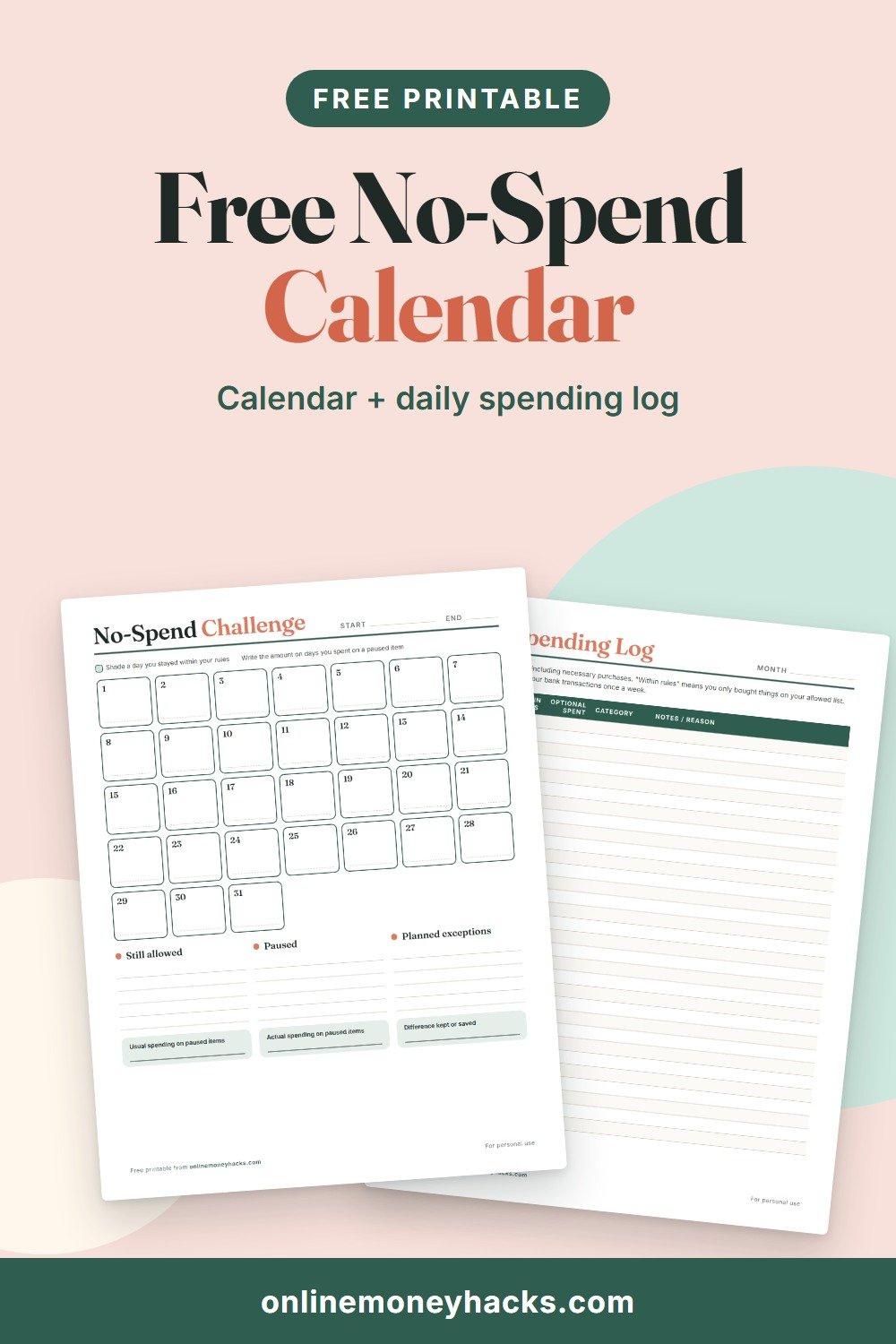
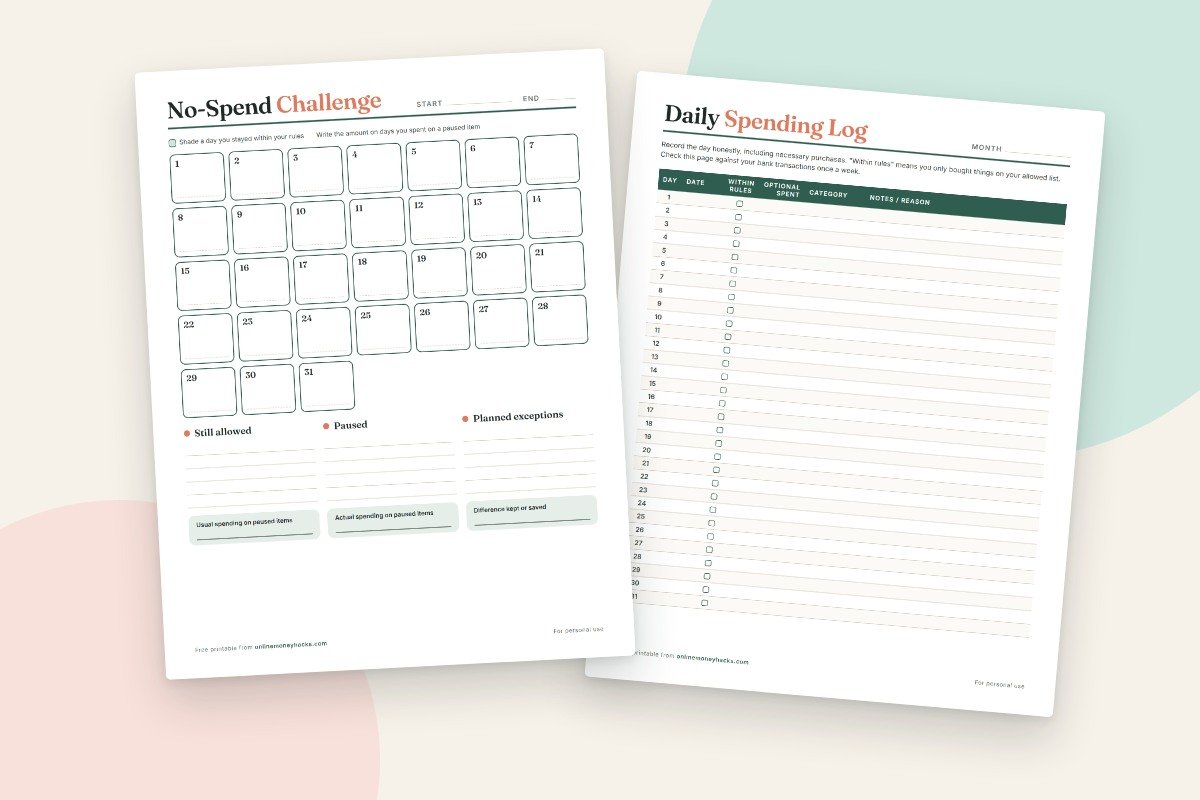
Mark a day as ‘no optional purchases’ only when that is true. If you buy a necessary prescription, the day can still count under your written rules. If you buy a nonessential item, record it and continue tomorrow. A useful calendar has space for an amount, category and reason, not just thirty-one decorative boxes. Weekly notes help you spot expensive days and common triggers.
8. Set a plan for returns and gift cards
A refund is not savings until it posts to your account. A gift card is not cash in your bank, and spending an extra $20 to use a $10 card may increase your costs. Decide whether gift cards can be used for essentials or should wait until the challenge ends. Avoid stocking up in the month before the challenge merely to make the calendar look perfect. That only shifts spending to a different date.
9. Handle emergencies without breaking the purpose
A car repair needed to get to work, a medical visit or an unexpected school requirement is not optional spending. Pay for necessary expenses using the safest available method and update your budget. If the expense makes the rest of the month difficult, shorten the challenge or pause it. A rigid rule should never push you toward overdraft fees, missed rent or dangerous delays in care.
10. Calculate savings against a realistic baseline
Compare your actual spending with what you normally spend in the paused categories. If your last three months of takeout averaged $80 and you spend $25 during the challenge, the difference is $55. It is not automatically $55 in a savings account unless you keep or transfer the money. Watch for substitutions: spending $30 more on convenience groceries changes the result. Honest accounting is more valuable than a dramatic before-and-after claim.
11. Prevent rebound spending after the final day
Before the challenge ends, make a short list of purchases you postponed. Separate needs from things you no longer want. Set a waiting period before buying optional items. If you immediately spend every dollar you avoided, the challenge may still teach you something, but it has not rebuilt your savings. Choose one manageable rule to carry into the following month.
12. Review what the calendar taught you
Look for categories where the pause felt easy and where it created genuine inconvenience. Perhaps online browsing was the main trigger, while buying lunch during a long work shift was more complicated. Keep the useful boundary and remove rules that caused avoidable problems. Your next version may be a no-buy clothing month rather than a total no-spend month. The best result is a clearer plan for ordinary life.
A practical plan you can adapt
Here is a practical four-week setup. In week one, record what you spend and remove shopping notifications. In week two, plan meals from what is already available and choose free entertainment. In week three, review any exceptions and check upcoming bills. In week four, calculate actual differences and decide which rule to keep. If your month has thirty-one days, use the remaining dates for ordinary tracking. The free calendar printable is undated so it can work in any month, and it has space for exceptions rather than treating every purchase as a mistake.
For a hypothetical example, suppose a household normally spends $100 a month on takeout, $45 on optional online orders and $30 on paid entertainment. During the challenge it spends $35, $0 and $10 in those categories. The apparent reduction is $130: the baseline was $175 and actual spending was $45. But if groceries increased by $25 specifically because of extra home cooking, a more realistic net difference is $105. The family should check that no other costs were simply pushed into the next month. That kind of honest calculation is more useful than assuming a no-spend month saves everyone hundreds of dollars.
If you share finances with a partner or housemates, discuss the rules before beginning. You can agree on common categories while keeping personal allowances separate. A challenge should not become a tool for controlling someone else’s necessary spending. The printed calendar should be used to record choices, not police another person’s purchases. A short weekly conversation about what worked is usually more useful than an argument about a single receipt.
Questions readers ask
Can I buy groceries during a no-spend challenge?
Yes. Food, bills, medication and transport to work stay on the allowed list. A no-spend challenge pauses optional purchases, not necessities.
What counts as a no-spend day?
Any day you only spent money on things from your allowed list. Paying rent or buying a prescription does not break the day; buying something from your paused list does.
How long should a no-spend challenge last?
Start with a weekend or one week if you have never tracked optional spending. Once your rules work, try a full month.
Example rules you can copy and change
For a thirty-day challenge, an example allowed list might include housing, utilities, groceries, prescription medication, transport to work, childcare, insurance, minimum debt payments and planned school expenses. A paused list might include takeout, impulse clothing purchases, extra décor, paid streaming rentals and online shopping for entertainment. The lists are not universal. Someone with a disability may have necessary spending that another household would consider optional. Someone working long shifts may reasonably budget for a convenient meal rather than treating every prepared food purchase as a mistake.
Write down your own exceptions before the challenge starts. An exception might be a birthday gift already promised, a broken work appliance or a fee needed for a child’s activity. If the expense is predictable, put a number beside it. If it is unexpected, record the amount and why it mattered. This makes the calendar more informative than simply marking every day as good or bad.
What to do after an unplanned purchase
Suppose you planned to skip takeout but buy dinner after an exhausting shift. Record the cost and move on. Ask whether the plan failed because you had no prepared food, because the shift ended later than expected or because ordering dinner was an intentional choice. Those explanations suggest different changes. You might prepare a freezer meal, allow one planned takeout night or set a smaller challenge period. None requires pretending the purchase never happened.
Avoid making up for an optional purchase by skipping necessary food or medication. That would turn a spending experiment into an unsafe rule. The useful response is to revise the budget or the environment that led to the purchase. If a challenge repeatedly causes conflict or anxiety, stop and choose a less restrictive version.
Keep the calendar honest
The printable includes spaces for the date, whether you stayed within your own rules, actual optional spending and notes. It is not a bank statement. Compare it with your transactions at the end of each week so forgotten purchases do not disappear from the record. If you share a household, agree on how joint expenses will be counted. You can each have personal categories while tracking shared costs together. At the end, review what changed in actual dollars and which habit you would willingly repeat.
Your next step
Write your allowed and paused categories before the first day. Put the dates on the printable calendar and choose a weekly check-in. If the plan conflicts with an essential expense, revise the rule rather than hiding the cost.
Starting in January? This no spend January plan is built for after the holidays, and our free Budget Starter Kit adds a monthly budget and bill tracker.