Cheap dinner ideas for families work best when they use food your household already likes and give everyone a little choice at the table. Think pasta with sauce on the side, rice bowls with separate toppings and a familiar soup beside toast. You can make one meal without insisting that every plate looks identical.
Table of contents
- Pasta and noodle nights
- Rice and grain bowls
- Tortilla and bread dinners
- Potatoes and oven meals
- Eggs and breakfast for dinner
- Soups, stews and one-pot meals
- Flexible family favorites
- Work out the cost without hiding the shopping bill
- Build a week around shared ingredients
- Keep food safety in the plan
- Questions that come up at dinner time
- Sources
No list can promise that every child will finish every dinner. Appetites, textures, allergies and preferences differ. These forty-seven ideas offer mild starting points and straightforward ways to adapt them. Treat each one as a starting point rather than a tested recipe: taste, adjust and note what worked. Quantities aim for about four moderate servings; add more for larger appetites or keep a smaller portion for tomorrow’s lunch.
Use the equipment and ingredient lists to choose meals that fit your kitchen. Salt, pepper, cooking oil and seasonings aren’t free: include the amounts you use when costing a meal, and the full package price when planning what you must buy. Estimated cooking times depend on your equipment, so use the food-safety temperatures below rather than a timer alone.
Pasta and noodle nights
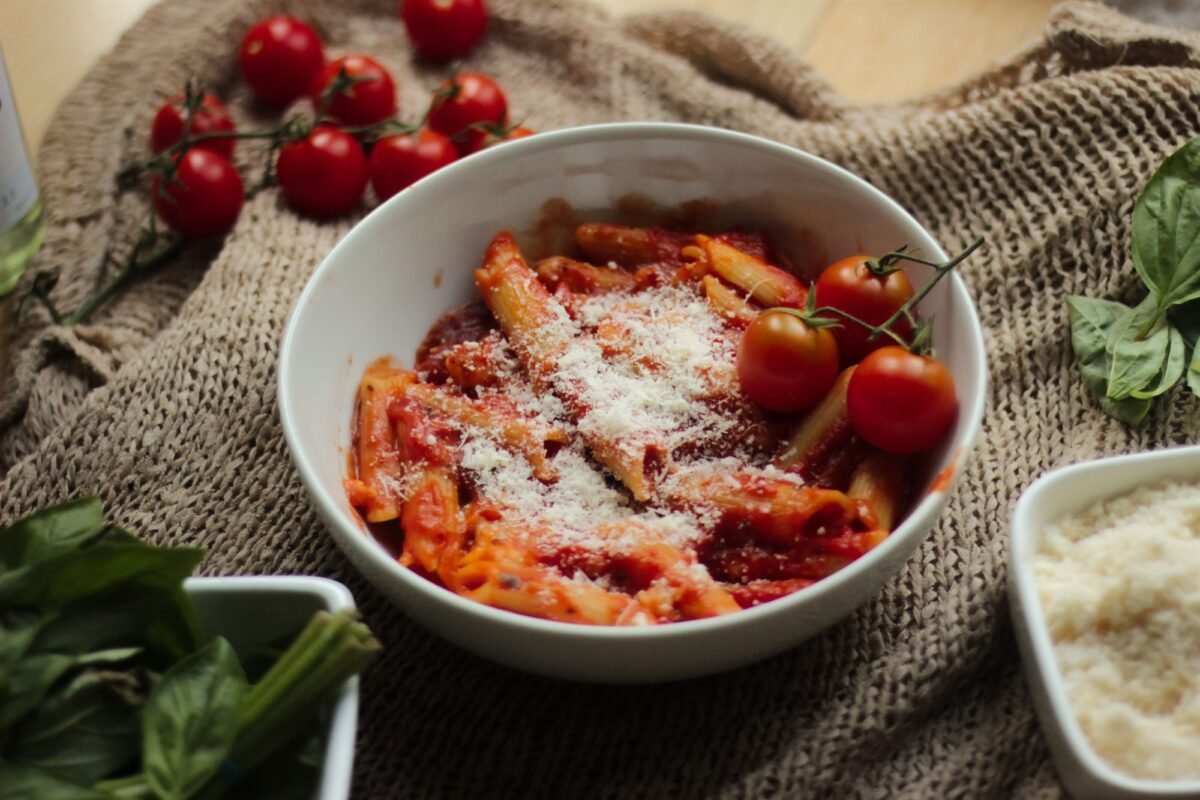
1. Tomato and white bean pasta
For four, use 12 ounces dry pasta, a drained 15-ounce can of white beans, 24 ounces tomato sauce and 12 ounces frozen vegetables. Boil the pasta in a large pot; heat the other ingredients in a saucepan and combine. Keep some pasta plain if helpful. Add a little grated cheese if affordable. Reserve a safely chilled portion for a quick lunch with a splash of water when reheating.
2. Peas and cheese macaroni
Cook 12 ounces macaroni in a pot, adding 1½ cups frozen peas near the end. Drain, then stir with ½ cup milk and 1 cup shredded cheese over gentle heat until coated. This makes about four portions. Use a splash of pasta water if needed. Offer pepper separately, and add drained beans for a more substantial meal. Reheat leftovers gently and thoroughly with extra liquid.
3. Broccoli garlic spaghetti
Use a pot and skillet for 12 ounces spaghetti, 3 cups broccoli, 2 tablespoons oil and one minced garlic clove. Cook the pasta and steam or boil the broccoli until tender. Briefly heat garlic in oil without burning it, then toss everything with a little pasta water. Add white beans if you have them. Chop broccoli smaller for a different texture; leftover pasta can become a baked lunch portion.
4. Creamy tuna noodles
For four, combine 10 ounces cooked noodles, two drained 5-ounce cans of tuna and 1½ cups peas. In a saucepan, cook 2 tablespoons flour in 2 tablespoons oil briefly, then whisk in 1½ cups milk and simmer until thick. Fold in the noodles, tuna and peas and heat through. Keep the seasoning mild. Use canned chicken instead of tuna if that suits your household and budget.
5. Lentil spaghetti sauce
Simmer ¾ cup rinsed dry lentils in water according to their package directions, then combine with 24 ounces tomato sauce. Serve over 12 ounces spaghetti for roughly four servings. A pot and saucepan are enough. Red lentils soften into the sauce; brown lentils keep more shape. Add water if the sauce thickens too much. Freeze extra sauce in a shallow, suitable container for another pasta night.
6. Skillet taco pasta
In a deep skillet, combine one drained can of black beans, 12 ounces dry small pasta, 24 ounces crushed tomatoes and enough water to cook the pasta, adding more as needed. Simmer covered, stirring often, until the pasta is tender. Stir in mild taco seasoning and ½ cup cheese. This serves about four. Offer hot sauce separately. Refrigerate leftovers promptly and reheat with additional water.
7. Cabbage egg noodles
Cook 12 ounces egg noodles in a pot. Meanwhile, soften ½ thinly sliced small cabbage and one sliced onion in 2 tablespoons oil in a wide skillet. Add a splash of water and cover briefly if the cabbage needs help softening. Toss with the drained noodles and pepper. Four portions work well with a side of beans or an egg. Keep leftover cabbage-noodle mixture for a reheated lunch.
8. Baked tomato pasta
Mix 12 ounces cooked penne with 24 ounces tomato sauce and one drained can of white beans. Spoon into a baking dish, top with 1 cup shredded cheese and bake at 375°F until hot throughout, checking for 165°F as a casserole. It makes about four servings. Use frozen spinach, thawed and squeezed dry, if liked. Freeze a spare portion for a night when cooking feels unlikely.
Rice and grain bowls
9. Egg and vegetable fried rice
For four, use 3 cups cooked rice, four eggs, 2 cups mixed vegetables and 1 tablespoon oil in a large skillet. Scramble the eggs until firm, set aside, cook the vegetables, then add rice and eggs. Heat thoroughly; previously cooked rice should reach 165°F. Use rice that was cooled and refrigerated promptly. Offer lower-sodium soy sauce at the table so the base stays mild.

10. Black bean rice bowls
Cook 1 cup dry rice in a saucepan according to the package. Warm two drained cans of black beans with 1 cup corn and a little mild seasoning in another pan. Divide between four bowls, keeping components separate where helpful. Add chopped tomato or cabbage from the fridge. Leftover beans can fill tortillas the next day, while extra rice should be chilled promptly in a shallow container.
11. Chicken broccoli rice
Use a deep skillet to heat 2 cups fully cooked shredded chicken, 3 cups cooked rice and 3 cups broccoli with ½ cup water or broth. Cover until broccoli is tender and the mixture is steaming hot, reaching 165°F. Divide into four portions and finish with a little cheese if wanted. Beans can replace some chicken. Pack a spare serving before dinner if tomorrow needs a ready lunch.
12. Tomato chickpea couscous
Prepare 1½ cups dry couscous using its package directions. In a skillet, warm two drained cans of chickpeas, one 14.5-ounce can of tomatoes and 1 cup chopped zucchini. Serve together for about four portions. Use a little dried oregano instead of a complex spice mix. Couscous contains wheat, so cooked rice is a practical alternative where appropriate. Keep the components separate for flexible leftovers.
13. Mushroom barley bowls
Cook 1 cup pearl barley in a saucepan according to its package, allowing enough time for it to become tender. Sauté 8 ounces sliced mushrooms and an onion in a skillet, then add a drained can of white beans. Combine for four moderate bowls. Use rice if barley’s chewy texture isn’t welcome. Add a splash of broth when reheating leftover grain so it doesn’t become dry.
14. Lentils and rice with carrots
Cook ¾ cup brown lentils and 1 cup rice separately according to their packages. Soften two diced carrots and an onion in a skillet with 1 tablespoon oil, then fold everything together. Four servings can be topped with plain yogurt if suitable. Keeping the ingredients separate lets you adjust texture before combining. Extra lentils can go into soup instead of repeating the same bowl tomorrow.
15. Corn and bean polenta bowls
Prepare 1 cup dry polenta in a saucepan following the package ratio and stirring directions. Heat a drained can of beans, 1½ cups corn and a cup of tomatoes separately. Spoon the topping over four portions of polenta. Use cheese sparingly for flavor if you have it. Chilled leftover polenta firms up; slice it and pan-cook in a little oil, heating thoroughly for a different next-day texture.
Tortilla and bread dinners
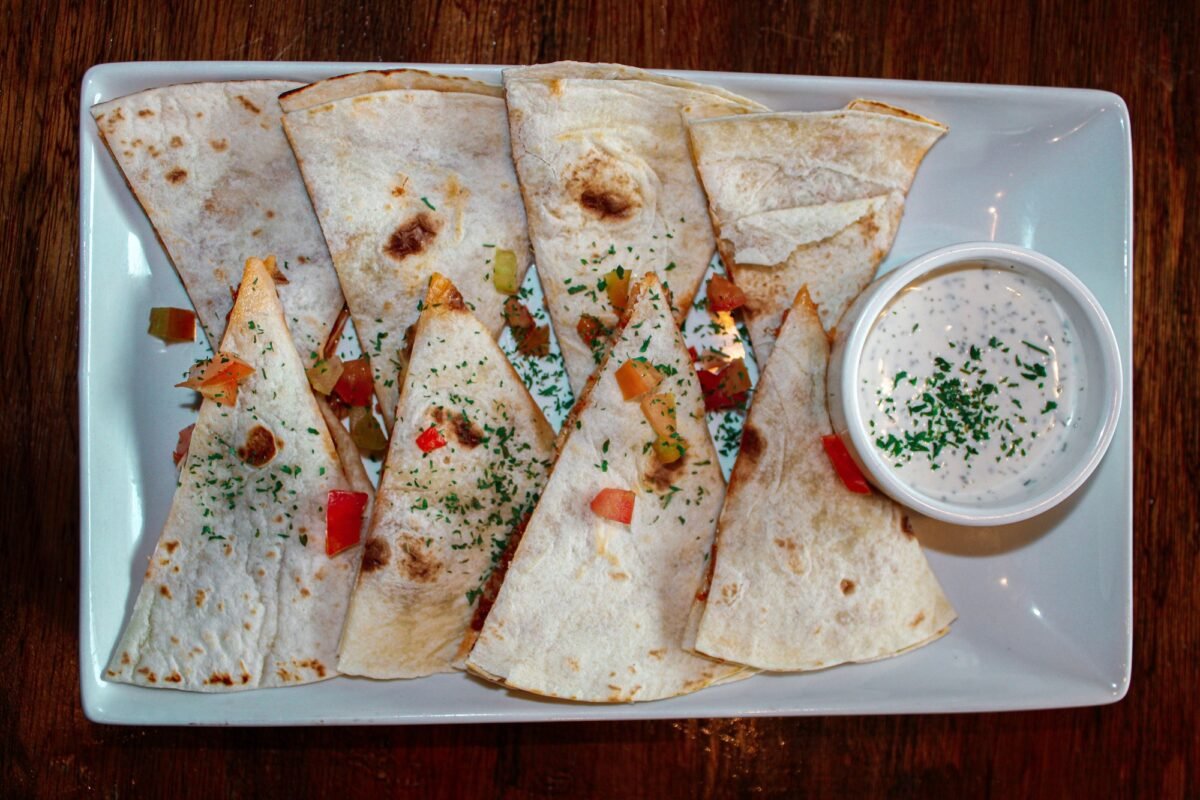
16. Bean and cheese quesadillas
Mash one drained can of pinto beans with a little water. Divide between eight small tortillas with 1 cup shredded cheese, fold and toast in a skillet until the filling is hot and the outside lightly crisp. Plan on two per person with vegetables alongside. White beans make a milder alternative. Refrigerate any extras promptly, then reheat in a skillet to restore some crispness.
17. Chicken cabbage tacos
Warm eight small tortillas and fill with 2 cups cooked chicken, 2 cups finely shredded cabbage and a little plain yogurt or salsa. Heat chicken leftovers to 165°F before serving. Four portions can be adjusted at the table with toppings kept separate. Black beans can replace half the chicken. Keep unused filling separate from tortillas so tomorrow’s wraps don’t become soggy.
18. Potato and egg breakfast burritos
Dice and cook two medium potatoes in a skillet with 1 tablespoon oil and a splash of water until tender. Add four beaten eggs and cook until firm. Divide among four large tortillas, adding ½ cup cheese if available. This is a moderate four-serving dinner with fruit or vegetables. Use cooked leftover potatoes to shorten preparation, heating them thoroughly before adding the eggs.
19. Tortilla pizzas
Place four large tortillas on baking trays. Spread each with about 3 tablespoons tomato sauce, then share 1 cup shredded cheese and 1 cup chopped cooked vegetables across them. Bake at 400°F until the cheese melts and the tortilla edges crisp, watching closely. Use fully cooked toppings. Four pizzas can be served with beans or vegetables, and spare sauce can support a different meal later.
20. Chickpea salad sandwiches
Mash two drained cans of chickpeas in a bowl with ¼ cup plain yogurt or mayonnaise and a little finely chopped celery. Divide among eight bread slices for four sandwiches. Keep the filling chilled until serving and adapt crunchy additions to children’s ages and preferences. Add mustard only where liked. Leftover filling can become a lunch wrap rather than another identical sandwich.
21. Lentil sloppy joes
Cook ¾ cup dry lentils in a saucepan. In a skillet, soften a diced onion, then add the drained lentils, 1 cup tomato sauce and a small amount of your usual mild seasoning. Simmer to a thick spoonable filling and serve on four buns. Use less sauce for children who prefer a firmer texture. Extra filling works over potatoes, so buying another package of buns isn’t necessary.
22. Grilled cheese with tomato soup
Make four sandwiches from eight bread slices and about 6 ounces cheese, using a skillet and a little oil or butter. Heat enough tomato soup for four in a saucepan, following package directions or a trusted recipe. Add canned beans to the soup if you want more substance. Serve soup separately for dipping or spooning. Freeze extra soup rather than storing already-toasted sandwiches for several days.
23. Hummus vegetable wraps
Spread about ⅓ cup hummus over each of four large tortillas, then add 2 cups chopped or grated vegetables across the wraps. Use age-appropriate pieces and a texture your household likes. A bowl and chopping board are sufficient. Pair with fruit or additional beans for larger appetites. Keep unused vegetables and hummus separate and refrigerated; assembled wraps lose texture when stored too long.
Potatoes and oven meals
24. Broccoli cheese baked potatoes
Cook four large potatoes in a microwave or oven until tender. Steam 3 cups broccoli in a saucepan and divide between the split potatoes with 1 cup shredded cheese. Add a drained can of beans if needed for fuller portions. This makes four adaptable plates. Leave some broccoli separate for anyone who prefers it that way. Refrigerate leftover potatoes promptly, removing any foil before storage.
25. White bean potato mash bowls
Boil about 2 pounds peeled or scrubbed potatoes until tender, then mash with one drained can of white beans and enough milk to reach the texture you want. Serve four bowls with 2 cups warm peas or carrots. A pot and masher do the work. This uses beans differently from a topping, so mention them plainly. Turn suitable leftovers into pan-cooked patties, heated thoroughly throughout.
26. Chicken and carrot tray dinner
Arrange about 1½ pounds raw boneless chicken thighs, 1½ pounds chopped potatoes and 1 pound carrots on a large tray with 1 tablespoon oil and mild seasoning. Roast at 400°F, turning vegetables as needed and checking that chicken reaches 165°F. Use a second tray if crowded. It serves about four. Shred and refrigerate extra chicken for tacos rather than leaving it on the tray after dinner.
27. Sausage cabbage tray bake
Slice a 12-ounce package of fully cooked sausage and combine with ½ cabbage and 1½ pounds potatoes, cut into manageable pieces. Roast on a tray at 400°F with a little oil until potatoes are tender and all ingredients are hot, following the sausage package directions. Four moderate servings depend on the sausage and appetites. Substitute beans for some sausage and save leftover vegetables for a reheated bowl.
28. Cottage pie with lentils
Make a filling in a skillet from 2 cups cooked lentils, 2 cups mixed vegetables and about 1 cup thickened broth or gravy. Transfer to a baking dish and top with mash made from 1½ pounds potatoes. Bake at 375°F until the center reaches 165°F. Four servings work with extra vegetables. Use a packaged gravy if making sauce adds more ingredients than your budget allows.
29. Tuna potato cakes
Mix 2 cups plain mashed potato with two drained 5-ounce cans of tuna and one beaten egg. Shape eight small patties and cook in an oiled skillet, turning carefully, until hot and set; use 165°F for this leftover-based mixture. Serve two each with vegetables. Add a little breadcrumb if the mixture is too soft. Keep portions small enough to heat evenly rather than making thick cakes.
30. Roasted chickpeas and sweet potatoes
Cut about 2 pounds sweet potatoes into small pieces and roast on a tray at 400°F with 1 tablespoon oil. Add two drained cans of chickpeas partway through and cook until potatoes are tender. Divide into four bowls with yogurt or a little tomato sauce. Season lightly and offer stronger flavors separately. Leftover sweet potatoes can become part of tomorrow’s rice bowl rather than another roasted plate.
Eggs and breakfast for dinner
31. Vegetable frittata
Soften 2 cups chopped vegetables in an oven-safe skillet. Add eight beaten eggs mixed with ¼ cup milk and ½ cup cheese, then finish in a 375°F oven until the egg mixture reaches 160°F. Check that the skillet is oven-safe. Cut into four portions with toast. Use cooked potatoes for a more substantial version. Refrigerate leftovers promptly and reheat to 165°F before serving.

32. Scrambled eggs, toast and peas
Scramble eight eggs in a skillet until firm, prepare eight slices of toast and warm 2 cups peas in a saucepan or microwave. Four people can assemble their own plates. Add fruit if it fits the meal and budget. This is useful when dinner must be simple and the fridge is nearly empty. Make only the toast you expect to use, and chill spare cooked eggs promptly.
33. Savory French toast
Whisk four eggs with ¾ cup milk in a shallow dish. Dip eight bread slices briefly, then cook on a skillet until both sides are golden and the egg is fully cooked. Serve four portions with a drained can of beans heated in tomato sauce. Use ordinary sandwich bread instead of buying a special loaf. Cook egg-soaked bread promptly; keep unused egg mixture refrigerated until cooking or discard appropriately.
34. Spinach egg rice bowls
Warm 3 cups cooked rice with 2 cups spinach in a skillet until thoroughly hot, reaching 165°F for leftover rice. Cook four eggs separately until whites and yolks are firm, then place one over each bowl. A second egg or added beans can suit larger appetites. Offer sauce at the table. Extra spinach is useful in pasta, so the whole bag doesn’t have to go into this meal.
35. Pancakes with eggs and fruit
Prepare enough pancakes for four using a familiar recipe or package directions, then scramble four to eight eggs until firm. Serve with available fruit and a modest amount of topping. A skillet or griddle is sufficient. Compare the cost of mix with ingredients you already have before choosing. Refrigerate spare pancakes promptly and use within safe leftover limits or freeze them in suitable portions.
Soups, stews and one-pot meals
36. Red lentil tomato soup
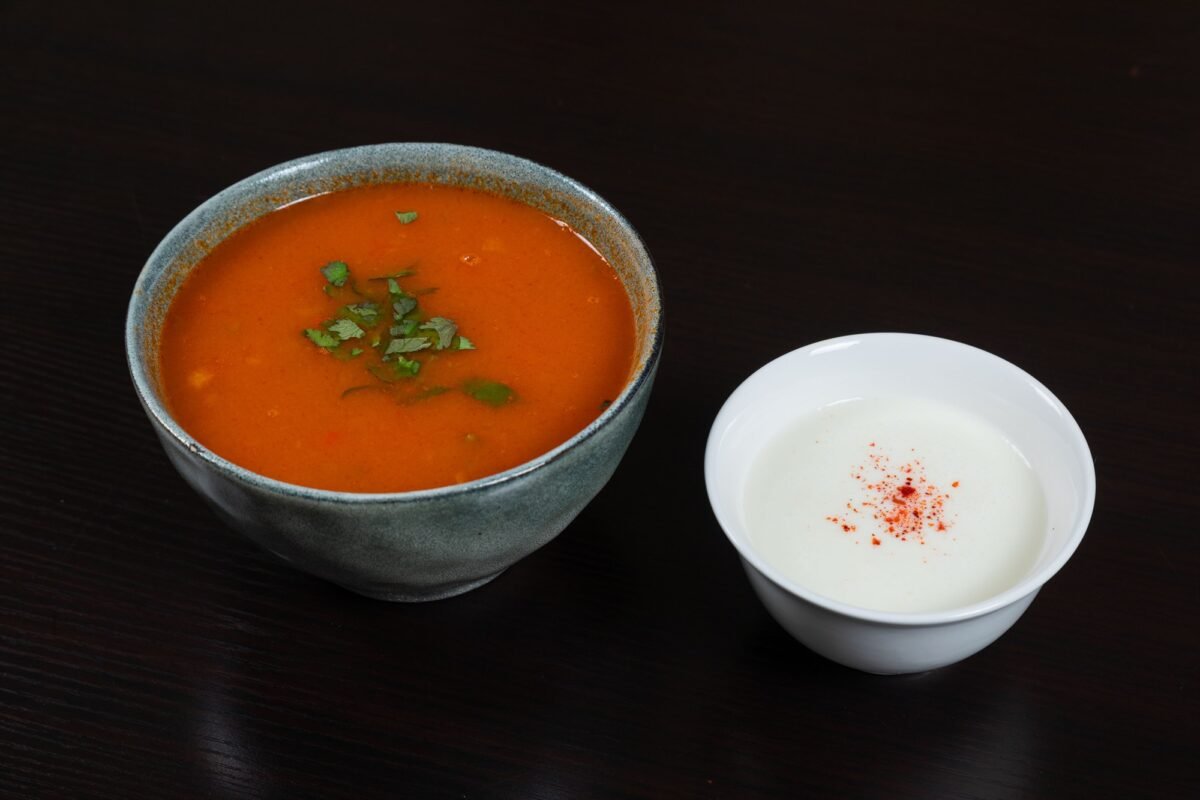
In a pot, simmer 1 cup rinsed red lentils, one 14.5-ounce can of tomatoes, a chopped carrot and about 4 cups water or broth until lentils are very soft. Add water as needed and season gently. It makes about four bowls with toast. Mash or blend carefully if a smoother texture is preferred. Cool extra soup promptly in shallow containers and freeze portions you won’t use soon.
37. Chicken noodle vegetable soup
Bring about 6 cups broth to a simmer with two diced carrots. Add 6 ounces small noodles and cook until tender, then stir in 2 cups cooked chicken and 1 cup peas. Heat the chicken-containing soup to 165°F. Four bowls can be served with bread. Store noodles separately if making a larger planned batch, because they continue absorbing liquid and can make next-day soup very thick.
38. Mild bean chili
Simmer two drained cans of beans, one 28-ounce can of tomatoes, one chopped onion and 1 cup corn in a pot until the onion is tender and the mixture thickens. Use mild seasoning and serve four portions over cooked rice or potatoes. Add water as needed. Offer chili flakes separately. Freeze spare chili in meal-sized containers, labeling the date so it doesn’t disappear at the back of the freezer.
39. Potato corn chowder
Simmer 1½ pounds diced potatoes and a chopped onion in about 3 cups broth until tender. Add 2 cups corn and 1 cup milk, then heat gently. Mash some potato to thicken without buying cream. A pot produces about four bowls with bread or beans alongside. Use a suitable unsweetened milk alternative if needed. Chill leftovers promptly and add a little liquid when reheating thoroughly.
40. Cabbage white bean soup
Combine ½ shredded cabbage, two drained cans of white beans, two chopped carrots and 5 cups broth in a pot. Simmer until vegetables are tender, then season to taste. Serve four with toast, adding pasta if more food is needed. Chopping cabbage finely changes the texture without hiding the ingredient. Use remaining cabbage in the noodle skillet elsewhere on this list instead of buying a new vegetable.
41. Quick minestrone-style soup
Use one drained can of beans, one 14.5-ounce can of tomatoes, 2 cups mixed vegetables, 4 ounces small pasta and about 5 cups broth in a pot. Simmer until vegetables and pasta are cooked, adding water if needed. It makes four moderate bowls. Choose a small pasta shape already in the cupboard. Refrigerate leftovers in shallow containers; add broth when reheating because the pasta absorbs liquid.
42. Pea and potato soup
Simmer 1½ pounds diced potatoes in about 4 cups broth until tender. Add 3 cups frozen peas and cook until hot, then mash or carefully blend part of the soup. Four servings pair with toast or a sandwich half. A pot is the main equipment; blending is optional. Keep seasoning mild at first, since broth saltiness varies. Freeze an extra portion rather than leaving a large pot to cool slowly.
Flexible family favorites
43. Turkey bean skillet
Cook 1 pound ground turkey in a large skillet, checking for 165°F. Add one drained can of beans, 1 cup corn and a 14.5-ounce can of tomatoes, then simmer until hot. Serve four over rice or with tortillas. If ground beef is cheaper locally, use it and cook to at least 160°F. Keep any leftovers chilled and use them as a tortilla filling after reheating to 165°F.
44. Beef cabbage bowls
Brown ¾ pound ground beef in a skillet to at least 160°F. Add ½ finely shredded cabbage, a grated carrot and a little water, then cook until the vegetables are tender. Serve over about 3 cups cooked rice for four portions. A drained can of lentils can replace some meat. Offer stronger sauce separately and save any extra cooked filling for a reheated lunch bowl.
45. Chicken vegetable couscous
Prepare 1½ cups dry couscous according to the package. In a skillet, warm 2 cups cooked chicken, 2 cups frozen vegetables and a little broth, checking that chicken leftovers reach 165°F. Fold together or serve separately across four plates. Rice is a straightforward substitute. Keep the flavor simple with a little lemon or dried herbs if already available; a new bottle of sauce isn’t necessary.
46. Peanut-free sesame-style noodles
Cook 12 ounces noodles in a pot. Whisk 2 tablespoons tahini with warm water and a little lower-sodium soy sauce to make a loose coating, then toss with 2 cups cooked vegetables. Divide into four portions, adding cooked tofu or beans if needed. Sesame and soy are allergens, and tahini may have other allergen cross-contact: check labels and never describe this meal as universally allergy-safe.
47. Leftover vegetable rice bake
Combine 3 cups safely stored cooked rice, 2 cups cooked vegetables, a drained can of beans, 1 cup tomato sauce and ½ cup water in a baking dish. Top with ½ cup cheese if liked. Bake covered at 375°F, checking that the center reaches 165°F and adding liquid if dry. This makes about four portions. Use only leftovers still within safe storage limits; baking doesn’t rescue unsafe food.
Work out the cost without hiding the shopping bill
Here’s how to cost the tomato and white bean pasta. The prices are round example numbers that show the method, so replace each one with the price at your own store.
| Ingredient | Package price | Amount used | Meal cost |
|---|---|---|---|
| Pasta, 16 oz | $1.20 | 12 oz | $0.90 |
| Tomato sauce, 24 oz | $1.80 | Full jar | $1.80 |
| White beans, 15 oz | $0.85 | Full can | $0.85 |
| Frozen vegetables, 12 oz | $1.20 | Full bag | $1.20 |
| Oil, 48 fl oz | $4.80 | ½ fl oz | $0.05 |
| Cheese (optional), 8 oz | $2.40 | 2 oz | $0.60 |
| Total | $12.25 | $5.40 |
The ingredient portion total is $5.40, or $1.35 for each of four portions. Buying all those packages from an empty kitchen would require $12.25 before any applicable tax. Cooking energy, delivery and transport are additional. This distinction matters when you have a fixed amount available at checkout. A low portion cost doesn’t make the larger package bill disappear.
Build a week around shared ingredients
Choose seven meals with different textures rather than seven unrelated shopping lists. For example, tomato bean pasta, chicken tacos, vegetable frittata, lentil soup, broccoli potatoes, egg fried rice and chickpea wraps share several useful ingredients. Buy quantities based on the actual recipes and what is already at home.
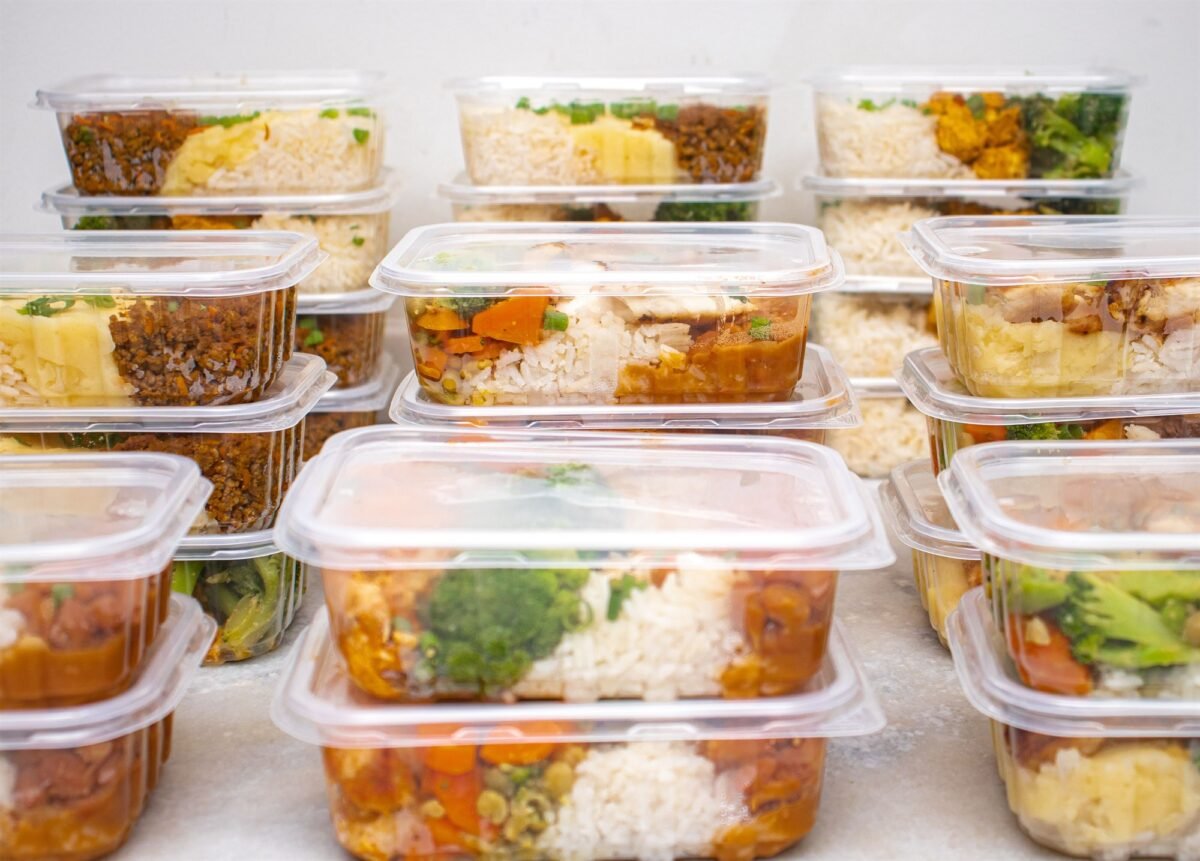
When planning cooked leftovers, consider the storage window from the original cooking day. Cooking chicken on Sunday doesn’t mean you can automatically use it from the fridge the following Saturday. Freeze portions promptly when needed. A backup pantry dinner is helpful when the planned meal gets postponed and leftovers need to be used sooner.
Keep food safety in the plan
USDA lists 165°F for poultry, casseroles and reheated leftovers, 160°F for ground meats and egg dishes, and 145°F with a three-minute rest for whole cuts such as pork chops. Use a food thermometer where these temperatures apply. Cook individual eggs until the whites and yolks are firm. Equipment, thickness and starting temperature affect timing.
Refrigerate perishable food within two hours, or within one hour when the temperature is above 90°F. Keep the refrigerator at 40°F or below. Divide large amounts into shallow containers for prompt cooling and use most cooked refrigerated leftovers within three to four days. Don’t leave a pot on the counter until it feels completely cold, and don’t rely on reheating to make improperly stored food safe.
Questions that come up at dinner time
How can I adapt a meal without cooking twice?
Keep a familiar component separate before mixing: plain rice, cooked potato, beans or pasta. Offer toppings and stronger seasoning at the table. This gives children a choice about texture while keeping the same main ingredients. Adjust portions to appetite and consider professional guidance for persistent feeding concerns rather than treating dinner as a test everyone must pass.
What if one ingredient costs much more locally?
Switch within the meal’s structure. Beans can replace some chicken in a bowl, frozen vegetables can replace suitable fresh ones, and rice can replace couscous where appropriate. Check cooking instructions and dietary needs after a substitution. A cheaper ingredient isn’t automatically interchangeable in every recipe, particularly where it changes liquid amounts or cooking time.
Do I need to buy all the seasonings?
No. Start with the flavors your household already uses and price anything you need to buy. The quantities are a base, not a requirement to build a new spice collection. One mild seasoning can work across several dinners. Add variety through shape, texture and serving style as well as through a different sauce every night.
Pick three meals that use something already in your kitchen. Write the missing ingredients and check the full package total before shopping. Save the list on Pinterest so the next tired evening starts with an idea you can actually make.
For more budget meals, see these dirt cheap meals under $5 and cheap soup recipes that feed a family for days.